Book Appointment
Book Appointment

Colon Polyp and Colon Cancer

How Colon Polyps Can Turn Into Colorectal Cancer, and How Early Care Prevents It

The Link Between Colon Polyps and Colon Cancer

Almost all colorectal cancers begin as a colon polyp, a small growth on the inner lining of the colon or rectum. Most polyps stay harmless, but one type in particular, called an adenoma, can slowly change over 10 to 15 years into cancer. This slow, silent process is known as the adenoma-to-carcinoma sequence, and it is the reason colon cancer is considered one of the most preventable cancers.


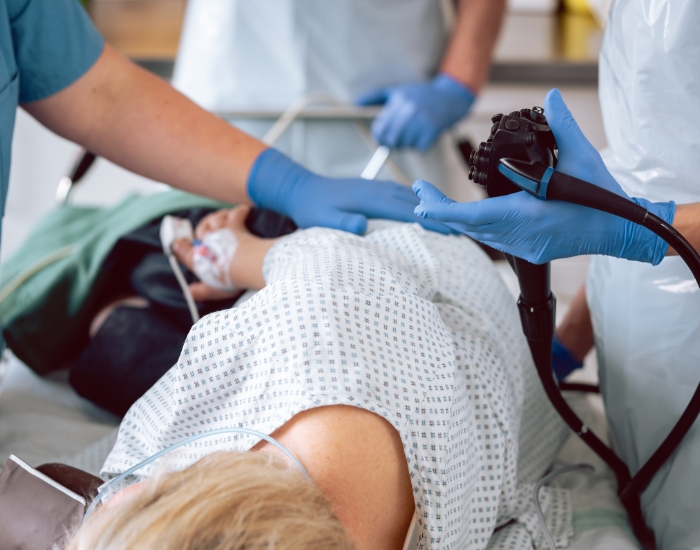
The key is time. Because polyps usually grow for years before turning into cancer, finding and removing them during a colonoscopy stops cancer before it can ever start. Understanding the connection between polyps and colon cancer helps you know your risk and act early, when prevention is simple and highly effective.

colon cancer screening Houston

Which Colon Polyps Can Become Cancerous?

Not all polyps carry the same risk. Adenomatous polyps, or adenomas, are the most common precancerous type and are responsible for most colon cancers. Sessile serrated polyps can also become cancerous over time. Hyperplastic polyps, by contrast, are usually harmless. In general, the larger the polyp and the more you have, the higher the risk, which is why every polyp found during a colonoscopy is removed and examined under a microscope.

colonoscopy near me

What Are the Warning Signs of Colon Cancer ?

Colon polyps and early colon cancer usually cause no symptoms at all, which is why screening matters so much. But when symptoms do appear, they should never be ignored. See a gastroenterologist promptly if you notice:

Warning signs to watch for include:

  • Blood in the stool or rectal bleeding
  • A lasting change in bowel habits or stool shape
  • Ongoing abdominal pain, cramping, or bloating
  • Unexplained weight loss or constant fatigue
  • Iron-deficiency anemia found on blood work
  • A feeling that the bowel never fully empties

Having these symptoms does not always mean cancer, but they should always be checked promptly. Early evaluation leads to better outcomes and simpler treatment.

Dr. Saranya Addepally

Dr. Saranya Addepally is a board-certified gastroenterologist with six years of clinical experience, treating a broad range of digestive and liver conditions. She is especially passionate about women’s GI health—areas where patients often feel overlooked or hesitant to seek care.

Her medical journey began in India, where she completed her training before moving to the United States to pursue advanced education in medicine and Gastroenterology at the University of Arkansas.

After several years in practice, she relocated to Houston to continue serving patients in the community. Following two years with a local group, she established her own practice, grounded in the principles and core values she believes are essential to delivering thoughtful, patient-centered care. 
Dr. Saranya Addepally, board-certified gastroenterologist in Houston, TX

Our Services

Our Signature Care Experience:

Care Beyond Visits

Helping Patients Throughout Houston, Tomball, Cypress, Willowbrook, and The Woodlands Prevent Colorectal Cancer Through Early Detection and Removal of Colon Polyps.
Colon Health and Cancer Prevention

Shaya Digestive & Liver Clinic, gastroenterologist in Houston, TX

Frequently Asked Questions


Do all colon polyps turn into cancer?

No. Most polyps never become cancer. But certain types, especially adenomas and sessile serrated polyps, can slowly turn cancerous over years, which is why they are removed when found.

How long does it take for a polyp to become cancer?

It usually takes about 10 to 15 years for a precancerous polyp to develop into colon cancer. That slow timeline is why regular screening and polyp removal are so effective at preventing it.

Can removing polyps actually prevent colon cancer?

Yes. Because most colon cancers begin as polyps, finding and removing polyps during a colonoscopy can stop cancer before it develops. This is one of the few cancers that screening can actually prevent.

What are the warning signs of colon cancer?

Common signs include rectal bleeding, blood in the stool, a lasting change in bowel habits, ongoing abdominal discomfort, unexplained weight loss, and fatigue from anemia. Any of these should be evaluated promptly.

What raises my risk of colon polyps and cancer?

Risk factors include age over 45, a personal or family history of polyps or colon cancer, inflammatory bowel disease, smoking, obesity, and certain inherited syndromes.

I feel fine. Do I still need screening?

Yes. Polyps and early colon cancer usually cause no symptoms, so feeling well is not a reason to skip screening. Getting screened while you feel fine is the best way to catch or prevent cancer early.

Take Control of Your Digestive and Liver Health with Expert Gastroenterology Care, Advanced Diagnostics, Personalized Treatment Plans, and Ongoing Support Designed Around You.

Why Expert Care at Shaya Digestive & Liver Clinic Matters

The path from a harmless-looking polyp to colon cancer is gradual and, in most cases, completely preventable. Because risk depends on the type, size, and number of polyps, protecting yourself takes more than a one-size-fits-all approach.

At Shaya Digestive & Liver Clinic, we provide:

Our Prevention-First Approach

There is no single “quick fix” for preventing colon cancer. Real protection comes from timely screening and consistent follow-up. At Shaya Digestive & Liver Clinic we focus on early detection and clear, practical guidance. Your prevention plan may include:

Comprehensive Digestive and Liver Care Focused on Accurate Diagnosis, Effective Treatment, and Ongoing Support.

Offering Fast Track GI appointments

Specialized Gastroenterology Appointments Within 3–5 Business Days