Expert Removal, Evaluation, and Long-Term Monitoring of Colon Polyps to Prevent Colorectal Cancer
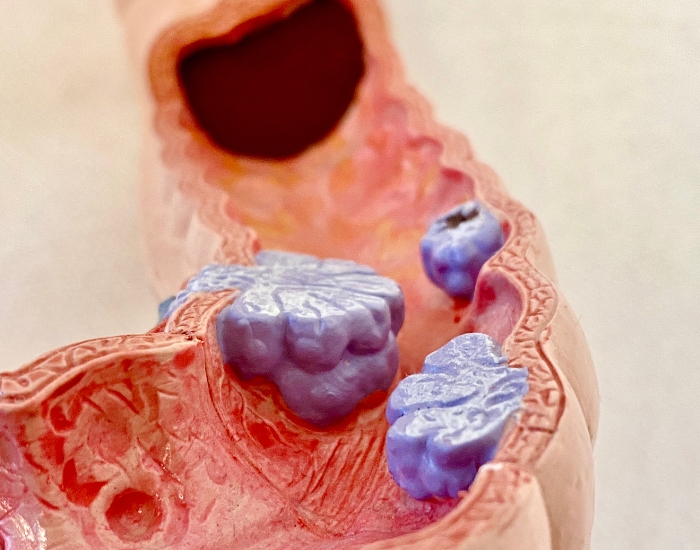
A colon polyp is a small growth on the inner lining of the colon or rectum. Most polyps are harmless, but certain types, such as adenomas, can slowly turn into colorectal cancer over time. Because polyps rarely cause symptoms, they are usually found and removed during a colonoscopy, often before they ever become a problem. Once you have had a polyp, your risk of forming new ones rises, which is why ongoing surveillance is so important.
After polyps are removed, your gastroenterologist recommends a personalized follow-up colonoscopy schedule based on the size, number, and type of polyps found, along with your personal and family history. This careful monitoring is one of the most effective ways to prevent colorectal cancer and protect your long-term digestive health.
Patients with a history of colon polyps benefit from regular, personalized follow-up care. Ongoing surveillance helps reduce future cancer risk, detect new polyps early, monitor changes over time, and support long-term preventive health. This careful monitoring allows timely intervention and plays an important role in protecting overall colon health.
Many digestive conditions, including colon polyps and colorectal cancer, can develop silently without obvious symptoms. Preventive screening allows potential concerns to be identified at their earliest and most treatable stages.
Preventive digestive care can help:
By identifying concerns before symptoms develop, preventive care often leads to better outcomes and less invasive treatment.
Dr. Saranya Addepally is a board-certified gastroenterologist with six years of clinical experience, treating a broad range of digestive and liver conditions. She is especially passionate about women’s GI health—areas where patients often feel overlooked or hesitant to seek care.
Her medical journey began in India, where she completed her training before moving to the United States to pursue advanced education in medicine and Gastroenterology at the University of Arkansas.
After several years in practice, she relocated to Houston to continue serving patients in the community. Following two years with a local group, she established her own practice, grounded in the principles and core values she believes are essential to delivering thoughtful, patient-centered care.
No. Most polyps are benign and never become cancerous. But certain types, such as adenomas and sessile serrated polyps, can develop into colorectal cancer over time, which is why they are removed and monitored.
It depends on the size, number, and type of polyps removed, plus your personal and family history. Intervals commonly range from 3 to 7 years, and sometimes sooner. Your gastroenterologist sets a personalized schedule.
Removed polyps are sent to a lab and examined under a microscope. The results show whether they were benign or precancerous and guide how soon your next colonoscopy should be.
No. Polyps are removed painlessly during your colonoscopy while you are under sedation. Most patients feel nothing and recover quickly.
Having had polyps means you are more likely to form new ones. Regular surveillance finds new polyps early, often before they can become cancer.
Risk factors include age over 45, a personal or family history of polyps or colorectal cancer, inflammatory bowel disease, smoking, and obesity. We tailor your monitoring plan to your individual risk.
Colon polyps range from small, harmless growths to advanced polyps that carry a real risk of becoming cancer. Because this risk is often silent and depends on the exact details of each polyp, evaluation and surveillance require more than a one-size-fits-all approach.
At Shaya Digestive & Liver Clinic, we provide:
There is no single “quick fix” for preventing colorectal cancer. Effective polyp surveillance depends on consistent, personalized follow-up over time. At Shaya Digestive & Liver Clinic we base your monitoring plan on trusted national guidelines and the specific details of your polyps. Your care plan may include:
Offering Fast Track GI appointments
Specialized Gastroenterology Appointments Within 3–5 Business Days
Customer Support
Online
Customer Support
Online