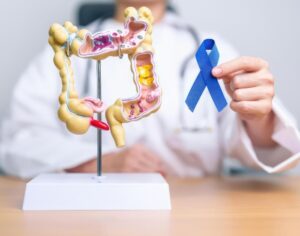

Bloating and abdominal pain are among the most common digestive complaints affecting millions of people every year. While occasional bloating after a large meal is often harmless, persistent bloating accompanied by abdominal pain may indicate an underlying digestive disorder that requires medical evaluation. Many people search online for answers when they experience stomach discomfort, abdominal pressure, gas, cramping, or a swollen belly. Understanding the potential causes can help you determine when symptoms are minor and when they may require professional care.
Quick Overview
Bloating occurs when the abdomen feels full, tight, or swollen. It may be accompanied by visible abdominal distension, excessive gas, burping, or discomfort. Abdominal pain can range from mild cramping to severe pain that interferes with daily activities.
Common causes include:
- Excess gas accumulation
- Indigestion
- Constipation
- Irritable Bowel Syndrome (IBS)
- Food intolerances
- Acid reflux
- Gastritis
- Gallbladder disease
- Liver disorders
- Inflammatory bowel disease
- Colon disorders
While many cases are related to diet and digestion, persistent symptoms should never be ignored.
What Does Bloating Feel Like?
People describe bloating in different ways, including:
- A swollen or enlarged stomach
- Feeling overly full after small meals
- Tightness in the abdomen
- Excessive gas or burping
- Pressure under the ribs
- Stomach rumbling or gurgling
- Visible abdominal distension
Some individuals experience bloating without significant pain, while others develop cramping, pressure, or sharp abdominal discomfort.
Common Causes of Bloating and Abdominal Pain
1. Excess Intestinal Gas
Gas is produced naturally during digestion. Certain foods can increase gas production, leading to bloating and abdominal discomfort.
Common triggers include:
- Beans
- Lentils
- Broccoli
- Cabbage
- Carbonated beverages
- Artificial sweeteners
- Onions
- Dairy products
Gas-related bloating often improves after passing gas or having a bowel movement.
2. Irritable Bowel Syndrome (IBS)
IBS is one of the leading causes of chronic bloating and abdominal pain.
Symptoms often include:
- Lower abdominal pain
- Bloating
- Diarrhea
- Constipation
- Alternating bowel habits
- Excessive gas
Many patients notice symptoms worsen after meals or during periods of stress.
3. Constipation
When stool remains in the colon longer than normal, it can lead to:
- Abdominal pressure
- Bloating
- Cramping
- Reduced appetite
- Feeling of incomplete bowel movements
Chronic constipation frequently contributes to ongoing abdominal discomfort.
4. Food Intolerances
Some individuals have difficulty digesting specific foods.
Common intolerances include:
- Lactose intolerance
- Gluten sensitivity
- Fructose intolerance
- Artificial sweeteners
Symptoms may occur within hours of eating and include bloating, gas, diarrhea, and abdominal pain.
5. Acid Reflux and Gastritis
Upper abdominal bloating may result from stomach-related conditions.
Symptoms may include:
- Heartburn
- Burning sensation in the upper abdomen
- Nausea
- Belching
- Early fullness after eating
Acid reflux and gastritis can cause significant discomfort, especially after meals.
6. Gallbladder Disease
Gallstones and gallbladder inflammation often cause:
- Upper right abdominal pain
- Bloating after fatty meals
- Nausea
- Vomiting
- Pain radiating to the back or shoulder
Gallbladder symptoms should be evaluated promptly.
7. Liver Conditions
Certain liver diseases can cause abdominal swelling and discomfort.
Possible symptoms include:
- Persistent bloating
- Abdominal fullness
- Fatigue
- Yellowing of the skin or eyes
- Fluid accumulation in the abdomen
Liver-related symptoms require medical attention.
8. Inflammatory Bowel Disease (IBD)
Conditions such as Crohn’s disease and ulcerative colitis can cause:
- Chronic abdominal pain
- Bloating
- Diarrhea
- Rectal bleeding
- Weight loss
- Fatigue
Early diagnosis can help prevent complications.
When Bloating and Abdominal Pain May Be Serious
Although many cases are harmless, certain symptoms require immediate evaluation.
Seek medical attention if you experience:
- Severe abdominal pain
- Persistent vomiting
- Blood in stool
- Black stools
- Unexplained weight loss
- Difficulty swallowing
- Persistent diarrhea
- Fever with abdominal pain
- Abdominal swelling that continues to worsen
- Yellow skin or eyes
These symptoms may indicate a more serious digestive condition.
How Doctors Diagnose Bloating and Abdominal Pain
A gastroenterologist may recommend several tests depending on symptoms.
Common diagnostic procedures include:
Physical Examination
The doctor evaluates:
- Abdominal tenderness
- Distension
- Bowel sounds
- Signs of infection or inflammation
Blood Tests
Blood work may help identify:
- Infection
- Inflammation
- Liver disease
- Pancreatic disorders
- Nutritional deficiencies
Abdominal Ultrasound
Ultrasound can evaluate:
- Gallbladder disease
- Liver abnormalities
- Kidney issues
- Abdominal fluid accumulation
Endoscopy (EGD)
An upper endoscopy allows physicians to examine:
- Esophagus
- Stomach
- Duodenum
This test helps diagnose acid reflux, gastritis, ulcers, and other upper digestive conditions.
Colonoscopy
A colonoscopy examines the large intestine and helps identify:
- Colon polyps
- Colon cancer
- Inflammatory bowel disease
- Chronic causes of abdominal pain
Breath Testing
Breath tests can diagnose:
- Lactose intolerance
- Small intestinal bacterial overgrowth (SIBO)
- Certain carbohydrate malabsorption disorders
Treatment Options
Treatment depends on the underlying cause.
Possible treatments include:
Dietary Changes
Many patients improve by:
- Limiting gas-producing foods
- Avoiding trigger foods
- Eating smaller meals
- Increasing water intake
Fiber Management
Appropriate fiber intake may help:
- Constipation
- IBS symptoms
- Digestive regularity
Medications
Depending on diagnosis, treatment may include:
- Acid reducers
- Antispasmodic medications
- Probiotics
- Constipation treatments
- Anti-inflammatory medications
Lifestyle Modifications
Helpful habits include:
- Regular exercise
- Stress reduction
- Adequate sleep
- Avoiding overeating
- Limiting carbonated beverages
Frequently Asked Questions
Why is my stomach bloated all the time?
Persistent bloating may result from IBS, constipation, food intolerances, digestive disorders, or other gastrointestinal conditions that require evaluation.
Can bloating cause abdominal pain?
Yes. Excess gas, intestinal spasms, constipation, and digestive disorders can all cause bloating and abdominal discomfort.
Is bloating a sign of colon cancer?
Most bloating is not caused by colon cancer. However, persistent bloating accompanied by weight loss, blood in stool, or changes in bowel habits should be evaluated promptly.
What foods commonly cause bloating?
Beans, dairy products, carbonated drinks, onions, broccoli, cabbage, and artificial sweeteners are common triggers.
When should I see a gastroenterologist?
If bloating or abdominal pain persists for several weeks, becomes severe, or is associated with warning signs such as bleeding, weight loss, or persistent vomiting, professional evaluation is recommended.
Final Thoughts
Bloating and abdominal pain are common symptoms that can range from minor digestive discomfort to signs of more significant gastrointestinal disease. While occasional bloating may result from diet or excess gas, persistent symptoms should not be ignored. Early evaluation can help identify conditions such as IBS, food intolerances, acid reflux, gallbladder disease, liver disorders, inflammatory bowel disease, and colon-related conditions. Understanding the causes and seeking timely medical care can lead to effective treatment, symptom relief, and improved digestive health.