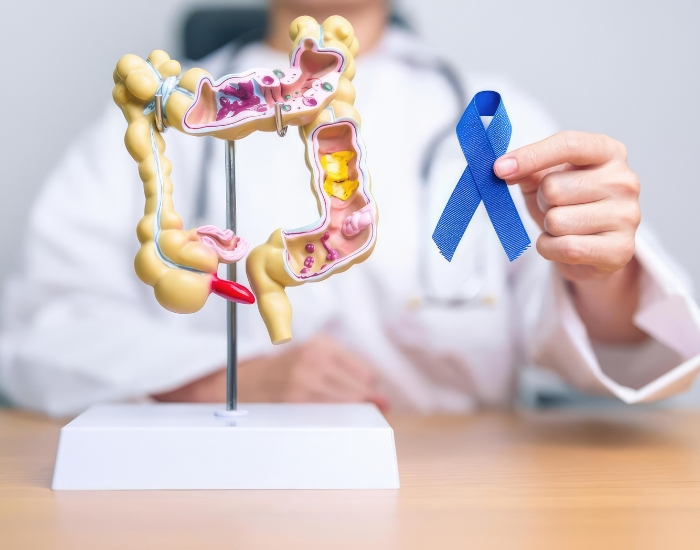
Colon cancer is one of the most common cancers affecting women in the United States. While many people associate colon cancer with older adults, cases among younger adults have been increasing in recent years. One of the biggest challenges with colon cancer is that symptoms often develop gradually and may be mistaken for common digestive issues such as bloating, constipation, hemorrhoids, or irritable bowel syndrome (IBS).
Understanding the symptoms of colon cancer in women can help promote earlier detection and treatment. When identified in its early stages, colon cancer is often highly treatable and may even be prevented through routine screening and the removal of precancerous polyps.
Quick Facts About Colon Cancer in Women
- Colon cancer is the third most common cancer diagnosed in women.
- Many women experience symptoms for months before seeking evaluation.
- Early-stage colon cancer may cause no symptoms at all.
- Routine colonoscopy screening can detect and remove polyps before they become cancerous.
- Most adults should begin screening at age 45, although earlier screening may be recommended for higher-risk individuals.
Why Colon Cancer Symptoms Can Be Missed in Women
Many symptoms of colon cancer overlap with conditions that women commonly experience, including:
- Irritable Bowel Syndrome (IBS)
- Hormonal changes
- Menstrual-related bloating
- Hemorrhoids
- Constipation
- Food intolerances
- Stress-related digestive symptoms
Because of these similarities, warning signs are sometimes overlooked until the disease becomes more advanced.
1. Persistent Changes in Bowel Habits
One of the most common early symptoms of colon cancer is a noticeable change in normal bowel patterns.
Changes may include:
- Frequent diarrhea
- Persistent constipation
- Alternating constipation and diarrhea
- Narrow or pencil-thin stools
- Increased urgency to have a bowel movement
- Feeling that the bowel does not empty completely
If bowel habit changes persist for more than a few weeks, medical evaluation is recommended.
2. Rectal Bleeding or Blood in the Stool
Blood in the stool is one of the most important warning signs of colon cancer.
Women may notice:
- Bright red blood on toilet paper
- Blood mixed within stool
- Dark or black stools
- Maroon-colored stools
Although hemorrhoids are a common cause of rectal bleeding, any unexplained bleeding should be evaluated by a healthcare provider.
3. Abdominal Pain and Cramping
Colon tumors can partially block the intestine and lead to ongoing abdominal discomfort.
Symptoms may include:
- Cramping
- Abdominal pressure
- Persistent stomach pain
- Lower abdominal discomfort
- Intermittent sharp pains
Pain that continues or worsens over time should not be ignored.
4. Persistent Bloating
Many women experience occasional bloating, especially around hormonal changes. However, persistent bloating that does not improve may be a sign of an underlying digestive condition.
Colon cancer-related bloating may include:
- Visible abdominal swelling
- Feeling unusually full
- Excessive gas
- Increased abdominal pressure
- Discomfort after eating
Bloating that occurs regularly and is associated with other symptoms warrants medical attention.
5. Unexplained Weight Loss
Unexpected weight loss without changes in diet or exercise can be a warning sign of several cancers, including colon cancer.
Possible reasons include:
- Reduced appetite
- Changes in metabolism
- Intestinal blockage
- Increased energy use by cancer cells
Any unexplained weight loss should be discussed with a healthcare provider.
6. Fatigue and Weakness
Many women with colon cancer develop chronic fatigue before diagnosis.
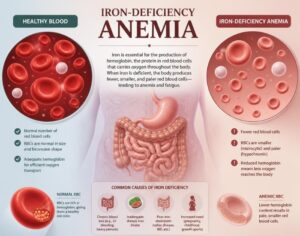
This may occur because slow, unnoticed bleeding from the colon can lead to iron-deficiency anemia.
Symptoms of anemia may include:
- Extreme fatigue
- Weakness
- Dizziness
- Shortness of breath
- Pale skin
- Reduced exercise tolerance
Persistent fatigue should never be dismissed as simply being busy or stressed.
7. Feeling That the Bowel Never Fully Empties
Some women report a sensation known as tenesmus, which creates the feeling of needing another bowel movement even after using the restroom.
Symptoms include:
- Incomplete evacuation
- Frequent trips to the bathroom
- Rectal pressure
- Persistent urge to pass stool
This symptom may occur when tumors affect the lower colon or rectum.
8. Nausea and Vomiting
As colon cancer progresses, it can partially block the bowel.
Possible symptoms include:
- Nausea
- Vomiting
- Severe bloating
- Abdominal distension
- Inability to pass gas or stool
These symptoms require prompt medical evaluation.
Colon Cancer Symptoms by Location
Right-Sided Colon Cancer
Women with right-sided colon cancer often experience:
- Fatigue
- Iron-deficiency anemia
- Weakness
- Occult bleeding
- Weight loss
Bleeding may not always be visible.
Left-Sided Colon Cancer
Symptoms commonly include:
- Constipation
- Narrow stools
- Abdominal cramping
- Visible rectal bleeding
- Changes in bowel habits
Rectal Cancer
Symptoms may include:
- Rectal bleeding
- Pelvic pressure
- Pain during bowel movements
- Feeling of incomplete evacuation
Colon Cancer Risk Factors for Women
Several factors can increase the risk of colon cancer.
Age
Risk increases after age 45.
Family History
Risk is higher if a parent, sibling, or child has had colon cancer.
Personal History of Polyps
Colon polyps can become cancerous over time.
Obesity
Excess body weight increases colon cancer risk.
Smoking
Smoking is linked to many forms of cancer, including colon cancer.
Diet
High consumption of:
- Processed meats
- Red meats
- Low-fiber diets
may increase risk.
Physical Inactivity
A sedentary lifestyle is associated with higher colon cancer rates.
When Should Women See a Doctor?
Women should seek medical evaluation if they experience:
- Rectal bleeding
- Persistent abdominal pain
- Ongoing bloating
- Unexplained weight loss
- Chronic fatigue
- Changes in bowel habits lasting more than several weeks
- Iron-deficiency anemia without explanation
Early evaluation often leads to earlier diagnosis and better outcomes.
How Colon Cancer Is Diagnosed
A healthcare provider may recommend:
Colonoscopy
A colonoscopy remains the gold standard for detecting colon cancer and precancerous polyps.
Stool Testing
Certain stool tests can identify hidden blood or abnormal DNA markers.
Blood Tests
Blood work may identify anemia or other abnormalities.
CT Scans
Imaging studies help evaluate the extent of disease if cancer is suspected.
Biopsy
A tissue sample confirms the diagnosis.
Why Colonoscopy Is So Important
One of the unique advantages of colonoscopy is that it can both detect and prevent colon cancer.
During a colonoscopy, physicians can:
- Identify abnormal growths
- Remove precancerous polyps
- Detect cancer at earlier stages
- Reduce future colon cancer risk
Most adults should begin screening at age 45, even if they have no symptoms.
Frequently Asked Questions
What is usually the first symptom of colon cancer in women?
Changes in bowel habits, rectal bleeding, fatigue, abdominal discomfort, and persistent bloating are among the most commonly reported early symptoms.
Can colon cancer cause bloating in women?
Yes. Persistent bloating, abdominal fullness, and increased gas can occur when a tumor affects normal bowel function.
Does colon cancer always cause blood in the stool?
No. Some tumors bleed slowly and may only cause hidden blood loss that leads to anemia.
Can younger women develop colon cancer?
Yes. Colon cancer rates have been increasing among adults under age 50, making awareness of symptoms increasingly important.
What age should women start colon cancer screening?
Most average-risk adults should begin screening at age 45. Individuals with a family history or higher risk factors may need earlier screening.
Final Thoughts
Colon cancer symptoms in women can be subtle and are often mistaken for common digestive or hormonal issues. Persistent bloating, abdominal pain, changes in bowel habits, rectal bleeding, unexplained weight loss, fatigue, and anemia should never be ignored. Early detection remains the most effective way to improve treatment outcomes and survival rates. Routine colonoscopy screening can identify precancerous polyps and detect cancer before symptoms develop, making it one of the most powerful tools for protecting long-term digestive health.
Disclaimer
This article is intended for educational purposes only and should not be considered medical advice. Always consult a qualified healthcare professional regarding symptoms, diagnosis, screening recommendations, or treatment options. If you experience concerning digestive symptoms, seek prompt medical evaluation.