
Seeing blood in your stool can be alarming. For many people, it’s an experience that immediately sparks worry about colon cancer or another serious digestive disease. Others may ignore it, hoping it will disappear on its own because they assume it’s “just hemorrhoids.” The truth is that blood in the stool is a symptom—not a diagnosis—and it deserves thoughtful evaluation.
While hemorrhoids are one of the most common reasons people notice bright red blood after a bowel movement, they are far from the only possible cause. Bleeding may also result from anal fissures, inflammatory bowel disease, diverticular disease, colon polyps, infections, or, less commonly, colorectal cancer. Understanding the difference between these conditions can help you know when it’s appropriate to monitor symptoms and when it’s important to seek prompt medical attention.
At Shaya Digestive & Liver Clinic, patients throughout Tomball, Willowbrook, Spring, Cypress, and The Woodlands often come to us after experiencing rectal bleeding that has gone unexplained for weeks—or even months. Our goal is not simply to stop the bleeding, but to identify its underlying cause and recommend the most appropriate treatment based on your individual needs.
Important Note
Although many cases of blood in the stool are caused by treatable conditions such as hemorrhoids, this symptom should never be ignored. Early evaluation can identify problems before they become more serious and may even detect conditions like colon polyps or colorectal cancer at a stage when treatment is most effective. This guide explains what different types of bleeding may mean, when to seek medical care, and how a gastroenterologist can help determine the cause.
Table of Contents
- Is Blood in Stool Ever Normal?
- Can Hemorrhoids Really Cause Blood in Stool?
- When Could Blood in Stool Be Something More Serious?
- What the Color of Blood May Tell You
- Symptoms That Should Never Be Ignored
- How Gastroenterologists Diagnose Rectal Bleeding
- Important Note
- Treatment Options
- When Should You Seek Immediate Medical Care?
- Can Blood in Stool Be Prevented?
- Expert GI Care in Tomball, TX
- Frequently Asked Questions
- Medical Disclaimer
Is Blood in Stool Ever Normal?
The simple answer is no. Blood in your stool is never considered a normal part of digestion, regardless of your age or overall health. While the cause may be something relatively minor, such as irritated hemorrhoids after constipation, it still represents bleeding somewhere within the digestive tract.
Many patients delay seeing a doctor because the bleeding occurs only once or twice or because they experience no pain. Others assume it must be related to hemorrhoids because they’ve had them before. Unfortunately, symptoms alone don’t always reveal the exact cause. Different digestive conditions can produce similar bleeding patterns, making proper evaluation important.
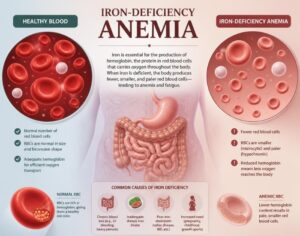
Even intermittent bleeding can lead to chronic blood loss over time. Some patients develop iron-deficiency anemia without realizing that slow gastrointestinal bleeding is responsible. Others discover during evaluation that the bleeding is coming from colon polyps or another condition that benefits from early treatment.
Rather than trying to determine the cause based solely on internet searches or assumptions, it’s safer to view rectal bleeding as your body’s way of signaling that something deserves attention.
People at increased risk should be especially cautious, including those who:
- Are over age 45
- Have a family history of colorectal cancer
- Previously had colon polyps
- Have inflammatory bowel disease
- Experience recurrent rectal bleeding
- Notice unexplained weight loss or persistent bowel habit changes
Patients with these risk factors often benefit from evaluation by a gastroenterologist rather than assuming the bleeding is harmless.

Can Hemorrhoids Really Cause Blood in Stool?
Yes. Hemorrhoids are among the most common reasons people notice bright red blood after using the bathroom. These swollen veins develop inside or around the rectum and anus, often as a result of increased pressure during bowel movements, pregnancy, chronic constipation, prolonged sitting, or frequent straining.
Internal hemorrhoids usually don’t cause pain because they develop higher inside the rectum, where there are fewer pain-sensitive nerves. However, they can bleed when irritated by passing stool. External hemorrhoids, on the other hand, may become painful, swollen, itchy, or tender, especially if a blood clot develops inside them.
Many people first notice hemorrhoids when they see small amounts of bright red blood on toilet paper, on the surface of the stool, or dripping into the toilet bowl after a bowel movement. The bleeding is often painless and may come and go depending on bowel habits.
Other common symptoms include:
- Anal itching
- A feeling of fullness around the anus
- Mild discomfort during bowel movements
- Small lumps around the anal opening
- Mucus discharge
Although hemorrhoids are extremely common, they should never automatically be blamed for every episode of rectal bleeding. Someone can have hemorrhoids and another digestive condition at the same time. That’s one reason gastroenterologists often recommend further evaluation when bleeding is persistent, recurrent, or accompanied by additional symptoms.
If hemorrhoids are suspected, your physician may recommend conservative treatments initially while determining whether additional testing is appropriate. Patients at Shaya Digestive & Liver Clinic experiencing persistent hemorrhoid symptoms can learn more about comprehensive evaluation and treatment on our Hemorrhoids Treatment page.
When Could Blood in Stool Be Something More Serious?
Although hemorrhoids account for many cases of rectal bleeding, several other gastrointestinal conditions can produce similar symptoms. Some are inflammatory, others are infectious, and a few may require prompt treatment to prevent complications.
One of the most important goals of evaluation is determining exactly where the bleeding is coming from.
Colon Polyps
Colon polyps are small growths that develop on the lining of the colon. Most are benign, but certain types may gradually develop into colorectal cancer over several years. Polyps frequently cause no symptoms at all, although some bleed intermittently.
Because bleeding from polyps is often microscopic or occasional, many patients don’t realize anything is wrong until a screening colonoscopy discovers them. Removing precancerous polyps significantly lowers the risk of developing colorectal cancer in the future.
Patients who are eligible for screening should consider regular colonoscopy screening, even if they feel completely healthy.
Colorectal Cancer
One of the greatest misconceptions is that colon cancer always causes severe pain. In reality, early colorectal cancer may cause no discomfort whatsoever. Some patients experience only mild rectal bleeding, subtle fatigue from anemia, or gradual changes in bowel habits.
As cancer progresses, symptoms may become more noticeable and include:
- Persistent rectal bleeding
- Narrow stools
- Chronic abdominal discomfort
- Unexplained weight loss
- Iron-deficiency anemia
- Feeling that the bowel never empties completely
The encouraging news is that colorectal cancer is highly treatable when found early. Screening colonoscopy allows physicians to identify and remove precancerous polyps before cancer develops and detect cancers at earlier stages when treatment outcomes are often much better.
If you’re due for screening or have concerning symptoms, our Colon Cancer Screening services can help determine the most appropriate next steps.
Inflammatory Bowel Disease (IBD)
Conditions such as ulcerative colitis and Crohn’s disease involve chronic inflammation of the digestive tract. Unlike hemorrhoids, bleeding from IBD is often accompanied by diarrhea, abdominal cramping, urgency, fatigue, and periods of symptom flare-ups followed by improvement.
Because untreated inflammation can damage the intestinal lining over time, patients experiencing ongoing bloody diarrhea or persistent abdominal pain should undergo evaluation rather than assuming hemorrhoids are responsible.
What the Color of Blood May Tell You
The color of the blood you notice can sometimes offer clues about where the bleeding is coming from, but it should never be used to make a diagnosis on your own. Even experienced physicians consider the color of the blood alongside your symptoms, medical history, physical examination, and, when appropriate, diagnostic testing.
Bright red blood is generally associated with bleeding closer to the end of the digestive tract, such as the rectum or anus. This is why hemorrhoids and anal fissures commonly produce bright red blood that appears on toilet paper or coats the outside of the stool.
Darker red or maroon-colored blood may indicate bleeding higher in the colon or small intestine. In these situations, the blood has traveled farther through the digestive tract before leaving the body.
Black, tar-like stools—known medically as melena—often suggest bleeding from the upper digestive tract, such as the stomach or upper small intestine. Conditions like stomach ulcers, gastritis, or bleeding esophageal veins can sometimes produce this appearance. Because blood changes color as digestive enzymes break it down, black stools should never be ignored.
Occasionally, people notice stool that appears reddish after eating foods like beets or taking medications such as iron supplements or bismuth-containing medications. While these products can change stool color, they do not replace a proper medical evaluation if you suspect actual bleeding.
Ultimately, the color alone cannot determine whether a condition is harmless or serious. Even bright red bleeding, which many people automatically attribute to hemorrhoids, can occasionally be caused by colon polyps, inflammatory bowel disease, or colorectal cancer.
Symptoms That Should Never Be Ignored
Rectal bleeding becomes especially concerning when it occurs alongside other digestive symptoms. While one isolated episode after severe constipation may have a relatively straightforward explanation, persistent or recurrent bleeding accompanied by additional symptoms deserves prompt medical evaluation.
One of the most significant warning signs is a noticeable change in bowel habits. If you’ve always had predictable bowel movements but suddenly develop ongoing constipation, diarrhea, pencil-thin stools, or alternating bowel patterns, your digestive tract may be signaling an underlying problem.
Another symptom that deserves attention is abdominal pain that doesn’t improve or continues to worsen over time. While mild cramping may accompany several digestive disorders, persistent pain combined with bleeding should never be dismissed.
Fatigue may seem unrelated to rectal bleeding, but chronic blood loss can gradually lower your body’s iron stores. Some patients discover they have iron-deficiency anemia before realizing they’re losing blood through the digestive tract. They may feel unusually tired, become short of breath with activity, or notice dizziness and weakness.
Unexpected weight loss is another symptom physicians take seriously. Losing weight without changing your diet or exercise routine isn’t typical and may require further investigation, particularly when accompanied by rectal bleeding.
Other symptoms that warrant medical evaluation include:
- Bleeding that continues for several days
- Repeated episodes over weeks or months
- Nighttime bowel movements
- Persistent diarrhea
- Severe constipation that doesn’t improve
- Mucus mixed with stool
- A family history of colorectal cancer or colon polyps
Many patients hesitate because they feel embarrassed discussing bowel habits. Gastroenterologists understand these concerns and discuss digestive symptoms every day. Delaying care often prolongs anxiety far more than having an evaluation.

How Gastroenterologists Diagnose Rectal Bleeding
One of the biggest concerns patients have is, “How will my doctor figure out what’s causing the bleeding?” Fortunately, modern gastroenterology offers several effective tools to identify the source while making the evaluation as comfortable and efficient as possible.
Your appointment usually begins with a detailed discussion about your symptoms. Your gastroenterologist will ask when the bleeding started, how often it occurs, the color of the blood, whether it’s mixed with stool or appears afterward, and whether you’ve noticed associated symptoms such as abdominal pain, constipation, diarrhea, or weight loss.
Your medical history is equally important. Previous colonoscopies, family history of colorectal cancer, inflammatory bowel disease, medications such as blood thinners, and prior digestive conditions all help guide the next steps.
A physical examination may include inspection of the anal area for hemorrhoids or fissures. In many cases, this alone can identify the source of bleeding.
However, when symptoms suggest bleeding may be coming from higher inside the colon—or when risk factors are present—a colonoscopy often becomes the most valuable diagnostic test.
Why Colonoscopy Is Often Recommended
A colonoscopy allows your gastroenterologist to examine the entire colon using a thin, flexible camera. This procedure can identify hemorrhoids, polyps, inflammation, diverticular disease, bleeding vessels, and colorectal cancer in a single examination.
Perhaps even more importantly, colonoscopy isn’t only diagnostic—it can also be therapeutic. During the same procedure, physicians can remove many colon polyps before they ever become cancerous, obtain biopsies when necessary, or treat certain sources of bleeding immediately.
If you’re experiencing persistent bleeding, recurrent symptoms, or are due for routine screening, our Colonoscopy Screening services provide comprehensive evaluation using current screening guidelines.
Additional Testing
Depending on your symptoms, your physician may also recommend blood work to check for anemia, stool studies to evaluate infection or inflammation, imaging studies, or upper endoscopy if bleeding is suspected to originate from the stomach or upper digestive tract.
The exact combination of tests depends entirely on your symptoms and individual risk factors. Not everyone requires every test, which is why individualized evaluation remains so important.
Important Note
It’s natural to feel anxious after seeing blood in your stool. Fortunately, many cases are caused by conditions that are highly treatable, including hemorrhoids, anal fissures, or temporary inflammation. At the same time, because some serious digestive diseases can begin with only subtle symptoms, it’s important not to diagnose yourself based solely on internet searches. A timely evaluation can provide answers, reduce uncertainty, and help you receive the right treatment before problems become more advanced.
Treatment Depends on the Underlying Cause
There isn’t a single treatment for blood in the stool because there isn’t a single cause. The right approach depends entirely on identifying why the bleeding is occurring.
When hemorrhoids are responsible, treatment often begins conservatively. Increasing dietary fiber, drinking more water, avoiding prolonged straining, and using stool softeners when appropriate can reduce pressure on the rectal veins and allow irritated tissue to heal.
Patients with persistent hemorrhoids may benefit from office-based procedures or additional therapies if symptoms continue despite lifestyle modifications. You can learn more about available options on our Hemorrhoids Treatment page.
If colon polyps are identified during colonoscopy, they can frequently be removed during the procedure, significantly lowering the future risk of colorectal cancer.
Inflammatory bowel diseases such as Crohn’s disease and ulcerative colitis typically require medications that reduce inflammation, prevent flare-ups, and protect the digestive tract over the long term.
When infections are responsible, treatment depends on the specific organism causing the illness. Some infections improve with supportive care, while others require prescription medication.
If colorectal cancer is diagnosed, treatment depends on the stage of disease and may involve surgery, chemotherapy, radiation therapy, targeted medications, or a combination of approaches coordinated by a multidisciplinary care team.
The encouraging reality is that many causes of rectal bleeding are highly manageable, especially when evaluated early rather than after symptoms have progressed.
For patients who would like prompt answers without waiting weeks for an appointment, Shaya Digestive & Liver Clinic also offers our GI Fast Track program, providing specialized gastroenterology appointments within just a few business days.
When Should You Seek Immediate Medical Care?
While not every episode of rectal bleeding is an emergency, there are situations where you should seek immediate medical attention instead of waiting for a routine appointment. Significant gastrointestinal bleeding can lead to rapid blood loss, and certain symptoms may indicate a more serious underlying condition that requires urgent evaluation.
If you notice a large amount of blood in the toilet, experience continuous bleeding that doesn’t stop, or pass large blood clots, it’s important to seek emergency care. Likewise, black, tarry stools accompanied by weakness or dizziness may suggest bleeding from the upper digestive tract and should be evaluated promptly.
Another warning sign is bleeding accompanied by severe abdominal pain, fever, persistent vomiting, or fainting. These symptoms may indicate a condition that requires immediate treatment rather than routine outpatient care.
You should also seek prompt medical attention if rectal bleeding is associated with:
- Lightheadedness or fainting
- Rapid heartbeat
- Shortness of breath
- Severe or worsening abdominal pain
- Persistent vomiting
- Large amounts of blood or repeated heavy bleeding
- Black, tar-like stools
If your bleeding is mild but continues to recur, don’t ignore it simply because it isn’t painful. Scheduling an appointment with a gastroenterologist is often the best next step to determine the cause before symptoms become more serious.
Can Blood in Stool Be Prevented?
Not every cause of rectal bleeding can be prevented, but many digestive conditions become less likely—or less severe—when you maintain healthy bowel habits and stay current with recommended screenings.
One of the simplest preventive measures is eating enough dietary fiber. Fiber helps soften stool, making bowel movements easier and reducing the straining that commonly contributes to hemorrhoids and anal fissures. Fruits, vegetables, whole grains, beans, and legumes are excellent natural sources of fiber.
Hydration is equally important. Drinking adequate water throughout the day supports healthy digestion and helps prevent constipation, particularly when increasing fiber intake.
Regular physical activity can also improve bowel function by stimulating normal intestinal movement. Even moderate exercise, such as walking most days of the week, may reduce constipation for many people.
It’s also wise to avoid delaying bowel movements. Waiting too long after the urge develops may contribute to harder stools that require more straining.
Perhaps the most effective preventive measure for colorectal cancer is routine screening. Many precancerous polyps cause no symptoms and can only be detected during screening examinations. Removing these growths before they become cancerous dramatically reduces the risk of developing colorectal cancer.
If you’re 45 or older—or younger with increased risk factors—talk with your gastroenterologist about whether it’s time for a colon cancer screening or screening colonoscopy.
Expert Evaluation for Blood in Stool in Tomball, TX
At Shaya Digestive & Liver Clinic, we understand how frightening it can be to discover blood in your stool. Whether the cause turns out to be hemorrhoids, a colon polyp, inflammatory bowel disease, or another digestive condition, obtaining an accurate diagnosis is the first step toward peace of mind and appropriate treatment.
Dr. Saranya Addepally provides compassionate, patient-centered gastroenterology care with the time needed to fully understand your symptoms rather than rushing through your visit. Every patient receives individualized recommendations based on their medical history, symptoms, risk factors, and diagnostic findings.
We proudly care for patients throughout Tomball, Willowbrook, Spring, Cypress, and The Woodlands, offering comprehensive evaluation for rectal bleeding, digestive symptoms, colon cancer screening, hemorrhoids, and many other gastrointestinal conditions.
For patients experiencing new or persistent rectal bleeding, our GI Fast Track Appointment Program offers access to specialized gastroenterology care within 3–5 business days, helping you get answers sooner instead of waiting weeks for an appointment.
If you’ve noticed blood in your stool—even if it has stopped—it is worth discussing with a gastroenterologist. Early evaluation can provide reassurance when the cause is minor and allow earlier treatment if something more significant is discovered.
Frequently Asked Questions
Can hemorrhoids cause a lot of blood?
They can. Internal hemorrhoids sometimes produce surprisingly noticeable amounts of bright red blood during bowel movements. However, because other digestive conditions can cause similar bleeding, recurrent or heavy bleeding should always be evaluated by a healthcare provider.
If the blood is bright red, does that mean it isn’t cancer?
No. Bright red blood is commonly associated with hemorrhoids, but colorectal polyps, colorectal cancer, inflammatory bowel disease, and other conditions may also cause bright red rectal bleeding. Color alone cannot determine the cause.
Should I have a colonoscopy if I see blood in my stool?
Not everyone requires a colonoscopy, but many patients with persistent bleeding, additional symptoms, or certain risk factors benefit from one. Your gastroenterologist will determine whether colonoscopy is appropriate based on your age, symptoms, family history, and overall health.
Can constipation cause rectal bleeding?
Yes. Passing hard stools or straining repeatedly during bowel movements can irritate hemorrhoids or cause small tears called anal fissures, both of which commonly lead to bright red bleeding.
How long should I wait before seeing a doctor?
You shouldn’t ignore rectal bleeding. Even if it occurs only once, mention it to your healthcare provider. If bleeding is recurrent, accompanied by abdominal pain, weight loss, dizziness, anemia, or changes in bowel habits, schedule an evaluation as soon as possible.
Can colon cancer develop without pain?
Yes. Early colorectal cancer often causes few or no symptoms. Some patients notice only mild rectal bleeding, fatigue from anemia, or subtle changes in bowel habits. This is one reason routine screening is so important.
Is blood mixed into the stool more concerning than blood on the toilet paper?
Blood mixed within the stool may sometimes suggest bleeding from higher in the digestive tract, while blood only on the toilet paper is more commonly associated with hemorrhoids or anal fissures. However, both situations deserve medical evaluation when symptoms persist.
Final Thoughts
Finding blood in your stool can be unsettling, but it doesn’t automatically mean you have a serious disease. In many cases, the cause is a treatable condition such as hemorrhoids or an anal fissure. However, because rectal bleeding may also be an early sign of colon polyps, inflammatory bowel disease, or colorectal cancer, it should never be ignored or assumed to be harmless.
The best approach is to have the symptom evaluated by a gastroenterologist who can determine its cause through a careful history, examination, and, when appropriate, diagnostic testing. Early evaluation not only provides peace of mind but may also identify conditions before they become more difficult to treat.
If you’re experiencing rectal bleeding or have questions about your digestive health, the team at Shaya Digestive & Liver Clinic is here to help with compassionate, expert care tailored to your needs.
Medical Disclaimer
This article is intended for educational purposes only and should not be considered medical advice or a substitute for evaluation by a qualified healthcare professional. If you experience persistent or recurrent rectal bleeding, severe abdominal pain, dizziness, fainting, black tarry stools, or heavy bleeding, seek immediate medical attention. Always consult your physician or a board-certified gastroenterologist regarding symptoms, diagnosis, and treatment recommendations specific to your health.