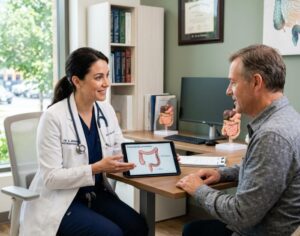
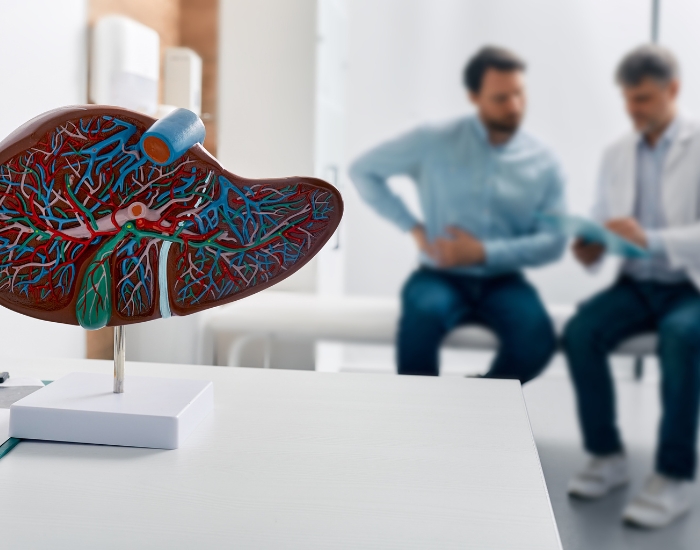
Receiving the results of an abdominal ultrasound can bring unexpected surprises. Many people schedule imaging because of abdominal pain, bloating, elevated liver enzymes, or an unrelated concern, only to discover that the report mentions “fatty liver” or “hepatic steatosis.” If you weren’t experiencing any liver-related symptoms, this finding can be confusing and even frightening.
Your first thought may be, “Is this serious?” Others immediately wonder whether they have permanent liver damage, if they caused the problem, or whether they need medication right away.
The reassuring news is that finding fatty liver on an ultrasound does not automatically mean you have severe liver disease. In fact, fatty liver disease is one of the most common liver conditions worldwide, and many people are diagnosed before they ever develop symptoms. However, it is also a finding that deserves proper medical evaluation because, in some individuals, excess fat in the liver can gradually lead to inflammation, scarring, and long-term liver damage if left untreated.
The good news is that early identification provides an opportunity to protect your liver before permanent damage occurs. Understanding why fat has accumulated in your liver and whether any fibrosis (scar tissue) has already developed allows your healthcare provider to recommend the most appropriate next steps.
At Shaya Digestive & Liver Clinic, patients throughout Tomball, Willowbrook, Spring, Cypress, and The Woodlands frequently seek answers after an ultrasound unexpectedly reveals fatty liver. Our goal is to determine whether the finding is mild and reversible or whether additional testing and treatment are needed to protect your long-term liver health.
Important Note
An ultrasound can detect fat in the liver, but it cannot determine the full extent of liver damage. While many people have mild fatty liver that improves with lifestyle changes, others may already have inflammation or early scarring without realizing it. Early evaluation helps identify who needs closer monitoring and who can often reverse the condition before complications develop.
Table of Contents
- What Does Fatty Liver on an Ultrasound Mean?
- How Common Is Fatty Liver?
- What Causes Fatty Liver?
- Does Fatty Liver Cause Symptoms?
- Should You Be Worried?
- What Should You Do After an Ultrasound Shows Fatty Liver?
- Important Note
- Why You May Need a FibroScan
- Treatment and Lifestyle Changes
- Can Fatty Liver Lead to Cirrhosis?
- Fatty Liver Care in Tomball, TX
- Frequently Asked Questions
- Medical Disclaimer
What Does Fatty Liver on an Ultrasound Mean?
When an ultrasound report mentions fatty liver, hepatic steatosis, or increased liver echogenicity, it means excess fat has accumulated inside your liver cells. Under normal circumstances, the liver contains very little fat. When too much fat builds up, it changes the way the liver appears on ultrasound imaging.
It’s important to understand that the ultrasound itself doesn’t explain why fat has accumulated. Instead, it simply identifies that fat is present. The next step is determining what caused the fatty liver and whether it has led to inflammation or scarring.
Many people are surprised because they have no symptoms and their liver blood tests may even be normal. That’s one reason fatty liver is often discovered accidentally during imaging performed for completely unrelated reasons.
Although an ultrasound is an excellent screening tool, it cannot accurately determine how advanced the disease is. Some people have simple fat accumulation, while others may already have inflammation or fibrosis that requires additional evaluation.
How Common Is Fatty Liver?
Fatty liver disease has become one of the most common chronic liver conditions worldwide. As rates of obesity, type 2 diabetes, and metabolic syndrome continue to increase, more adults are being diagnosed with fatty liver during routine medical evaluations.
Many people are unaware they have the condition because it often develops gradually and causes few, if any, symptoms in its early stages. Some patients discover fatty liver during an annual physical after blood tests reveal mildly elevated liver enzymes. Others learn about it only after an abdominal ultrasound is ordered for bloating, abdominal discomfort, gallbladder symptoms, or kidney stone evaluation.
Because fatty liver is so common, finding it on an ultrasound does not necessarily mean you have advanced liver disease. However, it does mean your liver deserves further attention to determine whether additional testing is appropriate.
What Causes Fatty Liver?
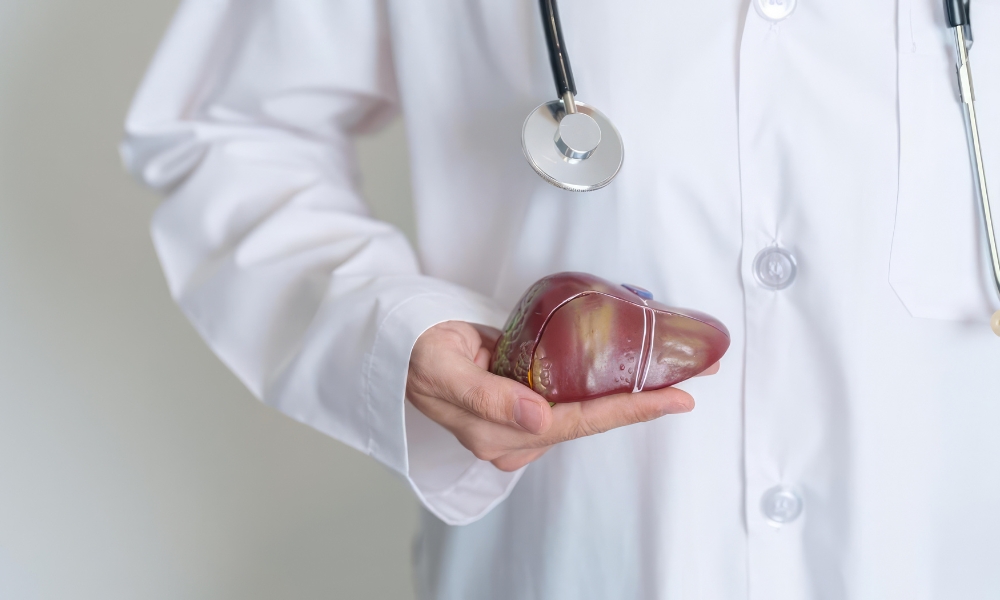
Fatty liver develops when more fat enters or remains in the liver than the body can process and remove efficiently. In many cases, this is related to metabolic health rather than alcohol consumption.
The most common form today is known as metabolic dysfunction-associated steatotic liver disease (MASLD), previously called nonalcoholic fatty liver disease (NAFLD).
Several factors can increase the likelihood of developing fatty liver, including:
- Overweight or obesity
- Type 2 diabetes
- Insulin resistance or prediabetes
- High cholesterol or elevated triglycerides
- Metabolic syndrome
- High blood pressure
- Sedentary lifestyle
- Certain medications
- Excessive alcohol consumption in some individuals
Not everyone with fatty liver fits the same profile. Some people have a normal body weight but still develop fatty liver because of genetics, metabolic conditions, or other less common medical factors.
Learn more about comprehensive evaluation and treatment for Fatty Liver Disease at Shaya Digestive & Liver Clinic.
Does Fatty Liver Cause Symptoms?
One of the reasons fatty liver often goes undetected is that it usually causes no noticeable symptoms during its early stages.
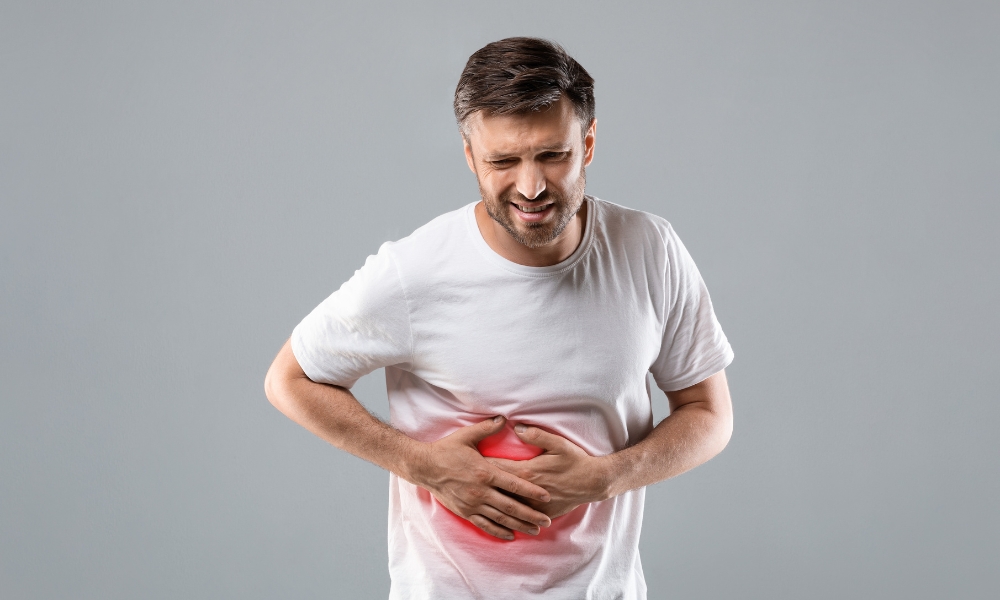
When symptoms do occur, they’re often subtle and can easily be mistaken for other health problems. Some people describe ongoing fatigue, low energy, a feeling of fullness in the upper right abdomen, or mild discomfort beneath the ribs.
Because these symptoms are nonspecific, many patients don’t realize they could be related to their liver.
As liver disease progresses, more significant symptoms may develop. However, waiting until symptoms appear is not recommended because liver damage may already be advanced by that time.
This is why an unexpected ultrasound finding can actually be valuable—it gives you the opportunity to evaluate your liver before permanent complications develop.
Should You Be Worried About Fatty Liver?
Finding fatty liver on an ultrasound is not a reason to panic, but it is a reason to take your liver health seriously.
For many people, simple fat accumulation never progresses beyond the early stage and may improve significantly with lifestyle changes. Others, however, develop ongoing liver inflammation, a condition sometimes referred to as metabolic dysfunction-associated steatohepatitis (MASH). Over time, chronic inflammation can lead to fibrosis, which is the formation of scar tissue inside the liver.
Without proper management, advanced fibrosis may eventually progress to cirrhosis, affecting the liver’s ability to function normally.
The challenge is that an ultrasound alone cannot reliably determine which stage of liver disease you have. That’s why additional evaluation is often recommended after fatty liver is identified.
What Should You Do After an Ultrasound Shows Fatty Liver?
The most important step is not to ignore the finding. While many people have mild fatty liver that never causes serious complications, others may already have liver inflammation or early fibrosis that cannot be seen on a standard ultrasound.
Your healthcare provider will usually begin by reviewing your medical history, current medications, lifestyle, alcohol intake, and any existing health conditions such as diabetes, obesity, or high cholesterol. Blood work is often repeated or expanded to evaluate liver enzymes, liver function, cholesterol, blood sugar, and other possible causes of liver disease.
Rather than assuming every patient needs the same treatment, your gastroenterologist will determine whether additional testing is necessary to understand the condition more completely.
Some patients require only routine monitoring and lifestyle modifications, while others benefit from specialized liver testing to determine whether fibrosis or more advanced liver disease is already present.
Important Note
Finding fatty liver on an ultrasound does not mean you will develop liver failure. Many people successfully improve their liver health through early intervention, healthy lifestyle changes, and regular follow-up. The key is understanding how healthy your liver is today so appropriate treatment can begin before permanent damage occurs.
Why You May Need a FibroScan
After fatty liver is identified on an ultrasound, one of the most useful next steps may be a FibroScan®. Unlike a traditional ultrasound, FibroScan measures both the amount of fat within the liver and the stiffness of liver tissue, which helps estimate the amount of fibrosis or scar tissue that may be present.
The procedure is completely non-invasive, painless, and usually completed within a few minutes. There are no needles, no sedation, and no recovery time required.
FibroScan helps your physician answer important questions, including:
- Is fat the only issue, or has scarring already developed?
- How advanced is the liver disease?
- How closely should the condition be monitored?
- Are lifestyle changes likely to be enough, or is additional treatment needed?
Because ultrasound alone cannot answer these questions, FibroScan has become an important tool in evaluating patients with fatty liver disease.
Learn more about FibroScan and how it helps evaluate liver fat and fibrosis.
Treatment and Lifestyle Changes
There is currently no single medication that reverses every case of fatty liver disease. Instead, treatment focuses on addressing the underlying factors contributing to fat accumulation and preventing progression to liver inflammation or fibrosis.
Achieve Gradual Weight Loss
For individuals who are overweight or obese, gradual and sustainable weight loss is one of the most effective ways to reduce liver fat. Even modest weight reduction may improve liver enzyme levels and decrease inflammation.
Improve Nutrition
A balanced eating plan emphasizing vegetables, fruits, lean proteins, whole grains, healthy fats, and minimally processed foods supports both liver health and metabolic health. Reducing added sugars and sugar-sweetened beverages is particularly important because excess sugar can contribute to fat accumulation within the liver.
Stay Physically Active
Regular exercise benefits the liver even before significant weight loss occurs. Walking, cycling, swimming, resistance training, and other forms of moderate physical activity help improve insulin sensitivity and reduce liver fat.
Manage Diabetes and Cholesterol
Because fatty liver disease is closely linked with metabolic conditions, controlling blood sugar, blood pressure, and cholesterol plays an important role in protecting the liver over time.
Limit Alcohol
Even when fatty liver develops primarily from metabolic causes, limiting alcohol consumption helps reduce additional stress on the liver and supports overall liver health.
Your treatment plan should always be individualized based on your overall health, laboratory findings, imaging results, and the severity of liver disease.
Can Fatty Liver Lead to Cirrhosis?
Yes—but not everyone with fatty liver develops cirrhosis.
Many patients remain in the early stages for years without significant progression. Others develop ongoing inflammation that gradually causes fibrosis, or scar tissue, to form within the liver.
If fibrosis continues to worsen over time, it may eventually lead to cirrhosis. Cirrhosis is an advanced stage of liver disease in which healthy liver tissue is replaced by extensive scarring, reducing the liver’s ability to perform its normal functions.
The encouraging news is that early fatty liver disease is often reversible, and progression toward cirrhosis can frequently be slowed—or even prevented—through timely diagnosis and appropriate management.
Learn more about Cirrhosis, including its symptoms, risk factors, and available treatment options.
Expert Fatty Liver Care in Tomball, TX
If an ultrasound has revealed fatty liver, you don’t have to figure out what it means on your own. At Shaya Digestive & Liver Clinic, Dr. Saranya Addepally provides comprehensive evaluation for patients with newly diagnosed fatty liver disease.
Your care may include a detailed review of your medical history, liver function testing, FibroScan evaluation, personalized lifestyle recommendations, and ongoing monitoring to help protect your long-term liver health.
Whether your fatty liver was discovered during routine testing or while investigating another digestive concern, our goal is to identify the stage of liver disease early and create a treatment plan tailored to your needs.
If you’re ready to schedule an evaluation, you can make an appointment with Shaya Digestive & Liver Clinic today.
Frequently Asked Questions
Is fatty liver found on ultrasound always serious?
No. Many people have mild fatty liver that can improve with lifestyle changes. However, additional evaluation is important because ultrasound cannot determine whether inflammation or liver scarring is also present.
Can fatty liver go away?
In many cases, yes. Early fatty liver often improves with gradual weight loss, healthy eating, regular exercise, and management of underlying metabolic conditions.
Will I need a FibroScan after my ultrasound?
Not everyone requires a FibroScan, but it is commonly recommended when your physician wants to assess liver stiffness and determine whether fibrosis is present.
Can you have fatty liver with normal liver enzymes?
Yes. Many patients have normal ALT and AST levels despite having fatty liver disease. That’s why imaging studies sometimes detect the condition before blood tests become abnormal.
Does fatty liver always become cirrhosis?
No. Most people with fatty liver never develop cirrhosis. The risk depends on factors such as inflammation, fibrosis, diabetes, obesity, alcohol use, and how well the condition is managed over time.
When should I see a liver specialist?
You should seek evaluation if fatty liver is found on imaging, liver enzymes remain elevated, FibroScan suggests fibrosis, or you have additional risk factors for chronic liver disease.
Final Thoughts
Finding fatty liver on an ultrasound can be unexpected, but it also provides an opportunity to protect your liver before significant damage occurs. While many cases remain mild, some progress to inflammation and fibrosis without causing noticeable symptoms.
The next step isn’t to panic—it’s to understand why fat has accumulated in your liver and whether additional testing is needed. Early evaluation, healthy lifestyle changes, and personalized care can make a meaningful difference in your long-term liver health.
If your recent ultrasound identified fatty liver, Dr. Saranya Addepally and the team at Shaya Digestive & Liver Clinic are here to help you understand your results and create a plan focused on keeping your liver healthy for years to come.
Medical Disclaimer
This article is for educational purposes only and should not replace professional medical advice, diagnosis, or treatment. Fatty liver disease varies from person to person, and appropriate evaluation depends on your medical history, laboratory results, and imaging findings. If you’ve been diagnosed with fatty liver or have concerns about your liver health, consult a qualified gastroenterologist or healthcare professional for personalized care.