Opening your lab results and seeing the words “ALT high” or “AST elevated” can be unsettling. Even if you feel completely healthy, it’s natural to wonder whether something is wrong with your liver—or whether the results indicate a serious disease.
The reassuring news is that abnormal liver enzymes do not automatically mean permanent liver damage. In fact, many people discover elevated liver enzymes during routine blood work done for an annual physical, medication monitoring, or another unrelated health concern. Some never develop symptoms at all.
However, abnormal liver tests shouldn’t be ignored either. Elevated ALT and AST are signs that liver cells may be under stress or injured. The challenge is determining why that’s happening. Sometimes the explanation is temporary and easily corrected. In other situations, abnormal liver enzymes may be the earliest sign of fatty liver disease, viral hepatitis, medication-related liver injury, excessive alcohol use, or another liver condition that benefits from early treatment.
At Shaya Digestive & Liver Clinic, patients throughout Tomball, Willowbrook, Spring, Cypress, and The Woodlands often come to us after routine blood work reveals elevated liver enzymes. Our goal isn’t simply to repeat the tests—it’s to identify the underlying cause and determine whether treatment, monitoring, or additional evaluation is needed.
Important Note
Seeing abnormal liver enzymes on your lab report doesn’t automatically mean you have liver failure or cirrhosis. Many causes are treatable or reversible when identified early. At the same time, persistent elevations deserve medical evaluation because they may be the first clue to liver disease long before symptoms appear.
Table of Contents
- What Are ALT and AST?
- Why Do Liver Enzymes Become Elevated?
- Common Causes of Elevated ALT and AST
- Fatty Liver Disease
- Other Conditions That Can Raise Liver Enzymes
- Do High Liver Enzymes Cause Symptoms?
- How Are Abnormal Liver Enzymes Evaluated?
- Important Note
- What Is a FibroScan?
- Treatment Options
- Can Elevated Liver Enzymes Be Prevented?
- Liver Care in Tomball, TX
- Frequently Asked Questions
- Medical Disclaimer
What Are ALT and AST?
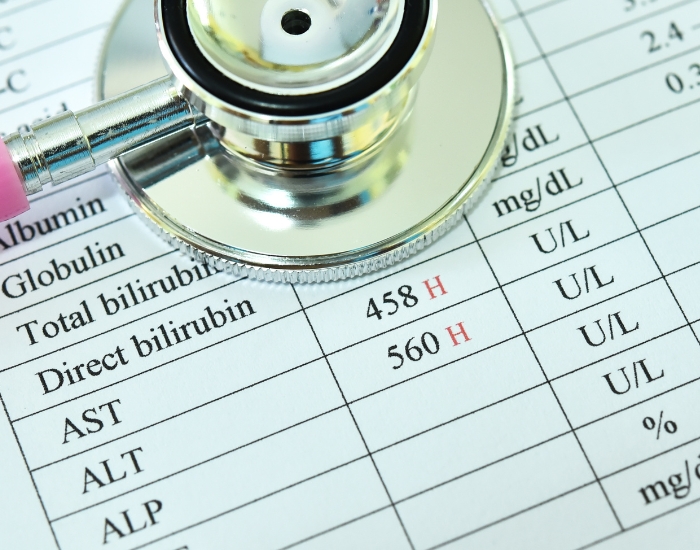
ALT (alanine aminotransferase) and AST (aspartate aminotransferase) are enzymes found inside liver cells. Under normal circumstances, only small amounts circulate in the bloodstream. When liver cells become inflamed, irritated, or damaged, these enzymes can leak into the blood, causing laboratory values to rise.
Although ALT and AST are commonly referred to as “liver enzymes,” they don’t measure how well your liver is functioning. Instead, they serve as indicators that liver cells may be under stress.
ALT is found primarily in the liver, making it a more specific marker of liver injury. AST is present not only in the liver but also in muscles, the heart, kidneys, and other tissues. Because of this, elevated AST doesn’t always mean the liver is the source of the problem.
Your healthcare provider doesn’t interpret ALT or AST in isolation. The degree of elevation, your symptoms, medical history, medications, alcohol use, imaging studies, and other laboratory values all help determine what the results may mean.
Why Do Liver Enzymes Become Elevated?
The liver performs hundreds of essential jobs every day, including processing nutrients, producing proteins, storing vitamins, regulating cholesterol, metabolizing medications, and filtering substances from the bloodstream. Because it works continuously, many different conditions can temporarily or permanently affect liver cells.
Elevated liver enzymes simply indicate that liver cells have experienced some degree of stress or injury. The severity of the enzyme elevation doesn’t always reflect how serious the underlying condition is.
For example, someone with mildly elevated ALT may have significant fatty liver disease, while another person with temporarily high enzyme levels after a viral illness may recover completely within weeks.
That’s why your physician considers the complete clinical picture rather than focusing on a single laboratory number.

Common Causes of Elevated ALT and AST
Many different medical conditions can cause abnormal liver enzymes. Some are temporary and reversible, while others require ongoing monitoring or treatment.
Metabolic Dysfunction-Associated Steatotic Liver Disease (Fatty Liver Disease)
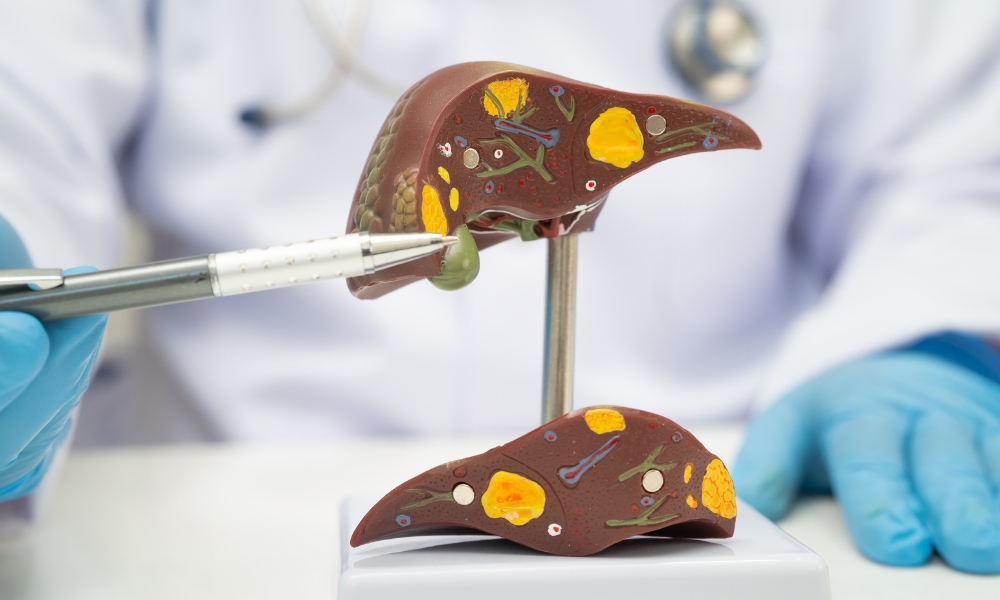
One of the most common reasons for elevated ALT and AST is fatty liver disease, also known as metabolic dysfunction-associated steatotic liver disease (MASLD). This condition develops when excess fat accumulates inside liver cells.
Many people with fatty liver disease feel perfectly well and discover the condition only after routine blood work or imaging studies reveal abnormalities.
Risk factors include overweight or obesity, type 2 diabetes, insulin resistance, elevated cholesterol, high triglycerides, and metabolic syndrome.
Learn more about comprehensive evaluation and treatment for Fatty Liver Disease at Shaya Digestive & Liver Clinic.
Alcohol-Related Liver Disease
Excessive alcohol consumption can damage liver cells over time, resulting in elevated AST and ALT. Depending on the amount and duration of alcohol use, liver injury may range from fatty liver to alcoholic hepatitis and eventually cirrhosis.
Reducing or eliminating alcohol can significantly improve liver health in many patients, particularly when changes are made before permanent scarring develops.
Medication-Induced Liver Injury
Prescription medications, over-the-counter pain relievers, herbal supplements, and certain vitamins can occasionally affect the liver. In many cases, enzyme levels improve after the medication is adjusted under medical supervision.
Never stop a prescribed medication on your own without first discussing it with your healthcare provider.
Viral Hepatitis
Hepatitis B and hepatitis C are viral infections that can inflame the liver and cause elevated liver enzymes. Some people develop symptoms, while others have no noticeable signs until routine blood work identifies abnormal liver tests.
Early diagnosis allows timely treatment and monitoring to help protect long-term liver health.
Why Fatty Liver Disease Is Such a Common Cause
Fatty liver disease has become one of the leading causes of abnormal liver enzymes worldwide. Because the condition often develops silently, many patients are surprised when blood work suggests a liver problem despite feeling completely healthy.
In its early stages, excess fat builds up inside liver cells without causing noticeable symptoms. As inflammation develops, ALT and AST may begin to rise. If inflammation continues for years, scar tissue may gradually replace healthy liver tissue, increasing the risk of fibrosis and eventually cirrhosis.
The encouraging news is that early fatty liver disease can often improve with appropriate lifestyle changes and treatment of associated metabolic conditions. That’s one reason identifying elevated liver enzymes early can make such a meaningful difference.
Other Conditions That Can Raise Liver Enzymes
Although fatty liver disease is extremely common, it’s far from the only explanation for elevated ALT and AST.
Other possible causes include autoimmune hepatitis, genetic liver disorders, gallbladder disease, bile duct obstruction, certain muscle injuries, thyroid disorders, viral illnesses, and less common metabolic diseases.
Because AST can also be released from injured muscle tissue, strenuous exercise or muscle injury may occasionally contribute to elevated AST levels without indicating liver disease.
For this reason, abnormal liver enzymes should always be interpreted within the context of your complete medical history and additional laboratory findings rather than relying on one blood test alone.
Do High Liver Enzymes Cause Symptoms?
Surprisingly, most people with mildly or moderately elevated liver enzymes experience no symptoms at all. That’s why abnormal liver tests are so often discovered during routine physical exams or blood work ordered for unrelated reasons.
When symptoms do occur, they usually result from the underlying liver condition rather than the elevated enzymes themselves.
Possible symptoms may include:
- Fatigue
- Discomfort or fullness in the upper right abdomen
- Nausea
- Loss of appetite
- Unexplained weight loss
- Yellowing of the skin or eyes (jaundice)
- Dark urine
- Swelling of the abdomen or legs in advanced liver disease
Many liver diseases remain silent for years before symptoms appear. That’s why abnormal blood tests should be evaluated even when you feel well.
How Are Abnormal Liver Enzymes Evaluated?
Finding elevated ALT or AST is only the beginning of the evaluation. The next step is determining why the enzymes are elevated. Rather than assuming one diagnosis based on a single blood test, a gastroenterologist or liver specialist considers your overall health, medical history, symptoms, and risk factors.
Your appointment typically begins with a detailed discussion about your health. Your physician may ask about alcohol use, prescription and over-the-counter medications, herbal supplements, recent illnesses, family history of liver disease, weight changes, diabetes, cholesterol levels, and previous laboratory results.
A physical examination may also provide important clues. Although many people with early liver disease have a normal physical exam, findings such as abdominal tenderness, enlarged liver, jaundice, or swelling may suggest more advanced disease.
Depending on your situation, additional testing may include:
- Repeat liver function tests to confirm persistent abnormalities
- Additional blood work to evaluate liver function and possible causes
- Testing for hepatitis B and hepatitis C
- Autoimmune liver disease testing when appropriate
- Iron studies and other metabolic testing
- Abdominal ultrasound
- FibroScan® to evaluate liver stiffness and fat content
- Occasionally, MRI or liver biopsy if additional information is needed
The goal is not simply to normalize laboratory numbers but to identify the condition affecting your liver and determine whether treatment or ongoing monitoring is necessary.
Important Note
Many people panic after seeing abnormal liver enzymes online. Remember that elevated ALT or AST alone cannot diagnose liver disease. Some elevations are temporary, while others point to conditions that respond well to early treatment. A proper medical evaluation provides answers far more reliable than internet searches or self-diagnosis.
What Is a FibroScan and Why Might You Need One?
If fatty liver disease or liver scarring is suspected, your gastroenterologist may recommend a FibroScan. This non-invasive test measures liver stiffness, which helps estimate the amount of fibrosis (scar tissue), while also assessing fat accumulation within the liver.
Unlike a liver biopsy, a FibroScan does not require needles, sedation, or recovery time. The test is painless and usually takes only a few minutes to complete.
FibroScan results help physicians determine whether liver disease is in its early stages or whether more advanced fibrosis may already be present. This information is valuable when deciding how aggressively to treat and monitor liver disease.
Learn more about FibroScan and how it helps evaluate fatty liver disease and liver fibrosis.
Can Elevated Liver Enzymes Lead to Cirrhosis?
Elevated liver enzymes themselves do not cause cirrhosis. Instead, they may be an early warning sign that ongoing liver injury is occurring.
If liver inflammation continues for many years without treatment, healthy liver tissue may gradually be replaced by scar tissue. This process is known as fibrosis. As fibrosis becomes more extensive, it can progress to cirrhosis.
Cirrhosis affects the liver’s ability to perform its many essential functions and may increase the risk of complications such as fluid buildup, internal bleeding, infections, and liver cancer.
The encouraging news is that many liver diseases can be treated before cirrhosis develops. Early diagnosis is one of the best ways to protect long-term liver health.
Learn more about Cirrhosis, its causes, symptoms, and available management options.
Treatment Depends on the Underlying Cause
There is no single medication that treats elevated ALT or AST because abnormal liver enzymes are a sign—not a diagnosis. Treatment focuses on correcting the condition responsible for the liver injury.
Fatty Liver Disease
For many patients, treatment includes gradual weight loss, improved nutrition, increased physical activity, diabetes management, and controlling cholesterol and blood pressure. Even modest weight loss may significantly improve liver inflammation.
Medication-Related Liver Injury
If a medication or supplement is affecting the liver, your healthcare provider may recommend adjusting or changing it. Never discontinue prescription medications without medical guidance.
Viral Hepatitis
Modern treatments for hepatitis B and hepatitis C have greatly improved outcomes. Early diagnosis allows patients to receive appropriate antiviral therapy and ongoing monitoring.
Alcohol-Related Liver Disease
Reducing or eliminating alcohol consumption can help prevent further liver damage and, in many cases, allow the liver to recover if significant scarring has not yet occurred.
Throughout treatment, repeat laboratory testing and imaging may be used to monitor your progress and ensure that liver health is improving.
Can Elevated Liver Enzymes Be Prevented?
Not every cause of abnormal liver enzymes can be prevented, but many common liver conditions can be reduced through healthy lifestyle choices and routine medical care.
Maintaining a healthy weight, staying physically active, limiting alcohol consumption, managing diabetes and cholesterol, avoiding unnecessary supplements, and taking medications only as prescribed all support liver health.
Regular preventive care is equally important. Routine blood work may detect liver abnormalities before symptoms develop, allowing treatment to begin earlier when it is often most effective.
Expert Liver Evaluation in Tomball, TX
If your blood tests show elevated ALT, AST, or other abnormal liver enzymes, don’t ignore the results or assume the worst. At Shaya Digestive & Liver Clinic, Dr. Saranya Addepally provides comprehensive liver evaluations to determine the underlying cause of abnormal liver tests and develop a personalized care plan.
Whether your abnormal results are related to fatty liver disease, hepatitis, medication effects, or another liver condition, our clinic offers evidence-based evaluation, advanced diagnostic testing, and ongoing monitoring tailored to your individual needs.
Patients throughout Tomball, Willowbrook, Spring, Cypress, and The Woodlands can also take advantage of our GI Fast Track program, which offers specialized gastroenterology appointments within approximately 3–5 business days.
Frequently Asked Questions
Should I worry if my ALT or AST is slightly elevated?
Not necessarily. Mild elevations are common and may result from temporary conditions, medications, or fatty liver disease. However, persistent abnormalities should always be evaluated by a healthcare professional.
Can fatty liver disease cause elevated ALT and AST?
Yes. Fatty liver disease is one of the most common reasons for elevated liver enzymes, particularly in people with obesity, diabetes, or metabolic syndrome.
Can liver enzymes return to normal?
Many patients see improvement once the underlying cause is identified and treated. Lifestyle changes, medication adjustments, or treatment of liver disease may help normalize enzyme levels.
Will I need a FibroScan?
If fatty liver disease or liver fibrosis is suspected, your gastroenterologist may recommend a FibroScan to assess liver fat and stiffness without surgery or a biopsy.
Do elevated liver enzymes always mean cirrhosis?
No. Most people with mildly elevated liver enzymes do not have cirrhosis. However, persistent liver inflammation over many years can increase the risk of developing scar tissue if left untreated.
When should I see a gastroenterologist?
You should schedule an evaluation if liver enzymes remain elevated, continue to increase, or are accompanied by symptoms such as jaundice, abdominal pain, fatigue, swelling, or unexplained weight loss.
Final Thoughts
Abnormal liver enzymes are common, but they should never be dismissed without understanding the reason behind them. Whether the cause is fatty liver disease, hepatitis, medication effects, alcohol-related liver injury, or another condition, early evaluation gives you the best opportunity to protect your liver and prevent future complications.
If your recent blood work showed elevated ALT or AST, don’t rely on internet searches alone. A comprehensive evaluation by an experienced gastroenterologist can help identify the cause and determine whether treatment or monitoring is appropriate for your long-term liver health.
Medical Disclaimer
This article is intended for educational purposes only and should not replace professional medical advice, diagnosis, or treatment. Elevated liver enzymes have many possible causes, and appropriate evaluation varies from person to person. If you have abnormal liver tests or develop symptoms such as jaundice, severe abdominal pain, persistent vomiting, confusion, or significant swelling, seek prompt medical evaluation from a qualified healthcare professional.