
Many women assume colonoscopy is only necessary after age 50 or when serious symptoms develop. Unfortunately, colorectal cancer is being diagnosed in younger adults more often than ever before, and many women ignore early warning signs because symptoms can resemble common digestive issues such as IBS, hemorrhoids, constipation, or bloating.
The good news is that colon cancer is one of the most preventable cancers when detected early. A screening colonoscopy can identify and remove precancerous polyps before they become cancerous.
At Shaya Digestive & Liver Clinic, we help women throughout Houston, Willowbrook, Tomball, Cypress, and The Woodlands understand when colonoscopy is appropriate and why early detection can save lives.
Many women experience symptoms for months before seeking evaluation. Blood in the stool, unexplained anemia, persistent bowel habit changes, or ongoing abdominal pain should never be ignored.
Table of Contents
- Why Colonoscopy Matters for Women
- When Should Women Start Colon Cancer Screening?
- 10 Warning Signs You Should Never Ignore
- Who Needs Earlier Colonoscopy Screening?
- What Happens During a Colonoscopy?
- Can Colonoscopy Prevent Colon Cancer?
- Frequently Asked Questions
Why Colonoscopy Matters for Women
Colorectal cancer is the third most common cancer diagnosed in both men and women. While many people believe colon cancer primarily affects older adults, recent studies have shown increasing rates among adults under age 50.
A colonoscopy is considered the gold standard for colon cancer screening because it not only detects cancer but can also prevent cancer by removing polyps before they become dangerous.
Unlike many cancers that are discovered only after symptoms appear, colon cancer can often be prevented entirely through appropriate screening.
Most colon cancers begin as small colon polyps. Removing these polyps during a colonoscopy may significantly reduce future cancer risk.
When Should Women Start Colon Cancer Screening?
Current recommendations suggest that most average-risk adults begin colorectal cancer screening at age 45.
However, some women may need screening earlier depending on personal and family history.
You may need a colonoscopy before age 45 if you have:
- Family history of colon cancer
- Family history of colon polyps
- Inflammatory bowel disease
- Crohn’s disease
- Ulcerative colitis
- Inherited cancer syndromes
- Persistent digestive symptoms
10 Warning Signs Women Should Never Ignore
1. Blood in the Stool
Blood in the stool should always be evaluated. While hemorrhoids are common, rectal bleeding can also be associated with colon polyps, inflammatory bowel disease, or colorectal cancer.
2. Persistent Change in Bowel Habits
New constipation, diarrhea, or alternating bowel habits lasting several weeks should not be dismissed.
3. Unexplained Weight Loss
Weight loss without dieting or increased exercise deserves medical evaluation.
4. Chronic Abdominal Pain
Persistent abdominal discomfort, cramping, or unexplained pain may indicate an underlying digestive disorder.
5. Ongoing Bloating
Frequent bloating that continues despite dietary changes may warrant further evaluation.
6. Iron Deficiency Anemia
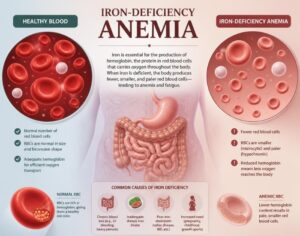
Women often assume anemia is related to menstrual cycles. However, unexplained iron deficiency may sometimes indicate gastrointestinal blood loss.
7. Feeling That the Bowels Never Fully Empty
A sensation of incomplete bowel evacuation can occur with several digestive conditions and should be discussed with a gastroenterologist.
8. Narrow or Pencil-Thin Stools
Persistent changes in stool caliber may require evaluation, especially when accompanied by other symptoms.
9. Fatigue Without Explanation
Chronic fatigue may sometimes be linked to anemia or underlying digestive disease.
10. Family History of Colon Cancer
Family history significantly increases risk and may require earlier or more frequent screening.
Who Needs Earlier Colonoscopy Screening?
Women with increased risk factors often need colonoscopy screening before age 45.
Risk factors include:
- Parent with colon cancer
- Sibling with colon cancer
- History of colon polyps
- Crohn’s disease
- Ulcerative colitis
- Certain hereditary syndromes
- Prior abdominal radiation
What Happens During a Colonoscopy?
Many patients delay screening because they are nervous about the procedure.
During a colonoscopy:
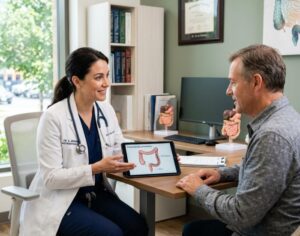
- The colon is carefully examined using a flexible camera.
- Patients receive sedation for comfort.
- Polyps can often be removed during the procedure.
- The procedure typically takes less than an hour.
- Most patients return home the same day.
For many patients, the preparation is more challenging than the procedure itself.
Can Colonoscopy Prevent Colon Cancer?
Yes. Colonoscopy is unique because it can identify and remove precancerous polyps before cancer develops.
This is one of the primary reasons colonoscopy remains the preferred colon cancer screening method for many patients.
Early detection also dramatically improves treatment outcomes if cancer is found.
Common Digestive Symptoms That May Lead to Colonoscopy
- Blood in stool
- Persistent constipation
- Chronic diarrhea
- Abdominal pain
- Bloating
- Iron deficiency anemia
- Unexplained weight loss
- Change in bowel habits
- Family history of colon cancer
Why Women Choose Shaya Digestive & Liver Clinic
Many women prefer discussing digestive concerns with a physician who understands the unique ways gastrointestinal conditions can affect women.
Dr. Naga Saranya Addepally provides comprehensive digestive and liver care with a personalized, patient-centered approach focused on prevention, diagnosis, treatment, and long-term digestive health.
Frequently Asked Questions
At what age should a woman get her first colonoscopy?
Most average-risk adults should begin colorectal cancer screening at age 45.
Can women under 45 need a colonoscopy?
Yes. Symptoms, family history, or certain medical conditions may require earlier screening.
Is blood in the stool always hemorrhoids?
No. Blood in the stool should always be evaluated to determine the cause.
How often do I need a colonoscopy?
The interval depends on age, findings, risk factors, and family history.
Can colonoscopy detect colon cancer?
Yes. Colonoscopy can detect colon cancer and often prevent it by removing precancerous polyps.
Is colonoscopy painful?
Most patients receive sedation and report little to no discomfort during the procedure.
Schedule Your Colonoscopy Consultation
If you are age 45 or older, have a family history of colon cancer, or are experiencing digestive symptoms that concern you, a gastroenterology evaluation can help determine whether colonoscopy is appropriate.
At Shaya Digestive & Liver Clinic, we provide colon cancer screening, colonoscopy, preventive digestive care, and personalized gastroenterology services for patients throughout Houston, Willowbrook, Tomball, Cypress, and The Woodlands.
Schedule your appointment today and take an important step toward protecting your digestive health.
This article is intended for educational purposes only and should not replace professional medical advice, diagnosis, or treatment. Always consult a qualified healthcare provider regarding symptoms or screening recommendations.