
Bloating is one of the most common digestive complaints reported by adults. Nearly everyone experiences occasional bloating after a large meal, but persistent bloating that occurs daily or several times per week may signal an underlying gastrointestinal condition. If you constantly feel like your stomach is swollen, tight, uncomfortable, or larger than usual, you may be wondering, “Why am I bloated all the time?”
Chronic bloating can interfere with daily activities, affect confidence, disrupt sleep, and reduce quality of life. While some cases are related to diet or lifestyle habits, others may be linked to digestive disorders that require medical evaluation. Understanding the potential causes of ongoing bloating can help you determine when it’s time to seek care from a gastroenterologist.
Quick Overview
Common causes of chronic bloating include:
- Excess intestinal gas
- Constipation
- Irritable Bowel Syndrome (IBS)
- Food intolerances
- Acid reflux
- Small Intestinal Bacterial Overgrowth (SIBO)
- Celiac disease
- Inflammatory bowel disease
- Gastroparesis
- Colon disorders
- Hormonal changes
- Certain medications
Persistent bloating that lasts for weeks or months should not be ignored.
What Does Bloating Feel Like?
People describe bloating in different ways, including:
- A swollen or enlarged abdomen
- Feeling full after eating small amounts
- Tightness or pressure in the stomach
- Excessive gas
- Frequent burping
- Abdominal discomfort
- Visible abdominal distension
- Gurgling or rumbling sounds
Some individuals experience bloating without pain, while others develop cramping, pressure, or abdominal tenderness.
What Causes Chronic Bloating?
1. Excess Gas in the Digestive Tract
Gas is a natural byproduct of digestion. Certain foods produce more gas during breakdown by intestinal bacteria.
Common gas-producing foods include:
- Beans
- Lentils
- Broccoli
- Cabbage
- Onions
- Carbonated beverages
- Artificial sweeteners
Excess gas may cause:
- Abdominal pressure
- Distension
- Burping
- Flatulence
- Temporary discomfort
2. Constipation
One of the most overlooked causes of bloating is constipation.
When stool remains in the colon for an extended period, symptoms may include:
- Abdominal fullness
- Bloating
- Cramping
- Gas
- Difficulty passing stool
- Feeling of incomplete bowel movements
Many patients notice bloating improves after bowel movements.
3. Irritable Bowel Syndrome (IBS)
IBS is among the most common causes of chronic bloating.
Symptoms often include:
- Abdominal pain
- Bloating
- Constipation
- Diarrhea
- Alternating bowel habits
- Excessive gas
Many IBS patients report bloating as their most bothersome symptom.
4. Food Intolerances
Certain foods may be difficult for the body to digest.
Common food intolerances include:
Lactose Intolerance
Difficulty digesting dairy products.
Fructose Intolerance
Problems digesting certain fruits and sweeteners.
Gluten Sensitivity
Digestive symptoms triggered by gluten-containing foods.
Food intolerance symptoms may occur within hours after eating and often include bloating, gas, abdominal pain, and diarrhea.
5. Small Intestinal Bacterial Overgrowth (SIBO)
SIBO occurs when excessive bacteria accumulate within the small intestine.
Common symptoms include:
- Severe bloating
- Excessive gas
- Abdominal discomfort
- Diarrhea
- Constipation
- Nutritional deficiencies
Many patients with persistent unexplained bloating are ultimately diagnosed with SIBO.
6. Acid Reflux and Indigestion
Upper digestive tract disorders may contribute to bloating.
Symptoms often include:
- Heartburn
- Early fullness
- Burping
- Upper abdominal pressure
- Nausea
Acid reflux and indigestion can make patients feel bloated even after small meals.
7. Celiac Disease
Celiac disease is an autoimmune condition triggered by gluten.
Symptoms may include:
- Chronic bloating
- Diarrhea
- Weight loss
- Fatigue
- Nutrient deficiencies
Proper diagnosis is important because untreated celiac disease can lead to long-term complications.
8. Gastroparesis
Gastroparesis occurs when the stomach empties more slowly than normal.
Symptoms often include:
- Bloating after meals
- Nausea
- Vomiting
- Early fullness
- Loss of appetite
This condition is more common in individuals with diabetes and certain neurological disorders.
9. Inflammatory Bowel Disease (IBD)
Conditions such as Crohn’s disease and ulcerative colitis may cause:
- Chronic bloating
- Abdominal pain
- Diarrhea
- Weight loss
- Fatigue
- Rectal bleeding
Persistent symptoms require evaluation by a gastroenterologist.
10. Hormonal Changes
Women frequently experience bloating related to hormonal fluctuations.
Bloating may increase:
- Before menstruation
- During pregnancy
- During perimenopause
- During menopause
Hormonal bloating is common but should still be evaluated if symptoms become persistent.
Can Colon Problems Cause Bloating?
Yes. Several colon conditions may contribute to bloating.
These include:
- Colon polyps
- Chronic constipation
- Diverticular disease
- Colon cancer
- IBS
- Inflammatory bowel disease
Although bloating alone does not mean cancer is present, persistent bloating combined with other symptoms warrants evaluation.
When Should I See a GI Doctor for Bloating?
Many people try dietary changes and over-the-counter remedies for months before seeking help.
Consider seeing a gastroenterologist if bloating:
- Persists for several weeks
- Occurs daily
- Continues despite dietary changes
- Interferes with normal activities
- Worsens over time
You should seek prompt medical evaluation if bloating is accompanied by:
- Blood in stool
- Rectal bleeding
- Unexplained weight loss
- Persistent abdominal pain
- Difficulty swallowing
- Vomiting
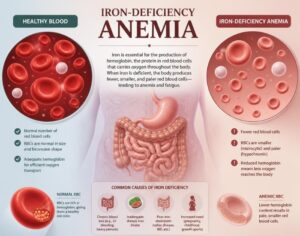
- Iron-deficiency anemia
- Changes in bowel habits
- Family history of colon cancer
These symptoms may indicate a more serious digestive condition.
How Gastroenterologists Diagnose Chronic Bloating
A GI specialist may recommend:
Medical History and Physical Examination
A detailed symptom review often provides important diagnostic clues.
Blood Tests
Blood work may evaluate:
- Infection
- Inflammation
- Anemia
- Thyroid disorders
- Nutritional deficiencies
Stool Testing
Stool studies may identify:
- Infection
- Inflammation
- Hidden blood
Breath Testing
Breath tests can diagnose:
- SIBO
- Lactose intolerance
- Certain carbohydrate malabsorption disorders
Upper Endoscopy (EGD)
An upper endoscopy evaluates:
- Acid reflux
- Gastritis
- Ulcers
- Upper digestive tract abnormalities
Colonoscopy
A colonoscopy may help identify:
- Colon polyps
- Colon cancer
- Inflammatory bowel disease
- Chronic causes of abdominal symptoms
How Can I Reduce Bloating?
Several lifestyle changes may help improve symptoms.
Eat Slowly
Swallowing excess air can increase bloating.
Stay Hydrated
Adequate water intake supports healthy digestion.
Increase Physical Activity
Exercise promotes intestinal movement and gas clearance.
Identify Trigger Foods
Keeping a food diary may help identify problematic foods.
Manage Stress
Stress frequently worsens digestive symptoms and IBS flare-ups.
Seek Professional Evaluation
Persistent bloating often improves when the underlying cause is identified and treated appropriately.
Frequently Asked Questions
Why do I feel bloated every day?
Daily bloating may be caused by IBS, constipation, food intolerances, SIBO, digestive disorders, or certain lifestyle factors.
Is bloating a symptom of colon cancer?
Most bloating is not caused by colon cancer. However, persistent bloating combined with weight loss, rectal bleeding, or changes in bowel habits should be evaluated.
Can constipation cause severe bloating?
Yes. Constipation is one of the most common causes of abdominal bloating and pressure.
What foods commonly cause bloating?
Beans, dairy products, onions, broccoli, cabbage, carbonated beverages, and artificial sweeteners are common triggers.
Should I see a GI doctor for chronic bloating?
Yes. If bloating persists, worsens, or is associated with concerning symptoms, a gastroenterologist can help determine the underlying cause.
Final Thoughts
Occasional bloating is common, but persistent bloating should not be considered normal. Chronic bloating may result from constipation, IBS, food intolerances, SIBO, acid reflux, inflammatory bowel disease, or other digestive disorders. Identifying the underlying cause is often the key to finding lasting relief. If bloating occurs frequently, interferes with your daily life, or is accompanied by abdominal pain, weight loss, bleeding, or bowel habit changes, scheduling an evaluation with a gastroenterologist is an important next step toward better digestive health.
Disclaimer
This article is intended for educational purposes only and should not replace professional medical advice, diagnosis, or treatment. If you experience persistent bloating, abdominal pain, rectal bleeding, unexplained weight loss, or other concerning symptoms, consult a qualified healthcare professional promptly.