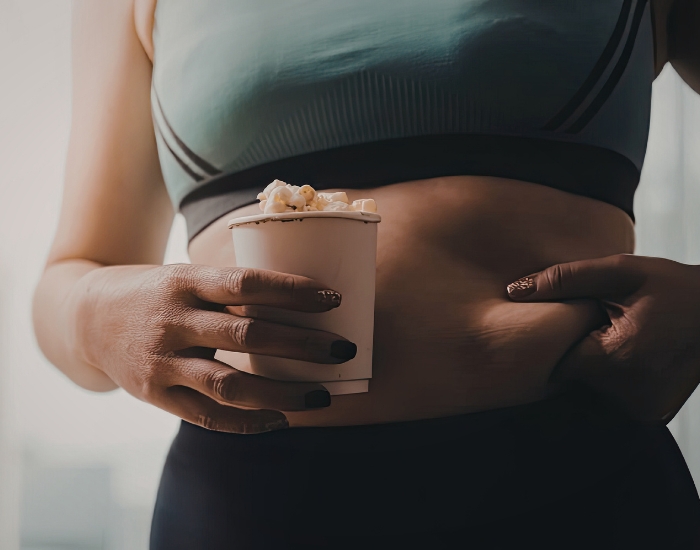
Feeling bloated once in a while is common. But when bloating happens almost every day, gets worse after meals, makes the stomach feel tight or swollen, or starts affecting confidence and comfort, it deserves attention.
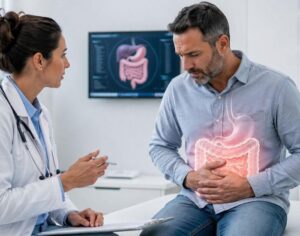
Many women describe bloating as feeling “full,” “puffy,” “heavy,” or as if the stomach looks larger by the end of the day. Some also experience gas, constipation, diarrhea, abdominal pain, nausea, or changes in bowel habits.
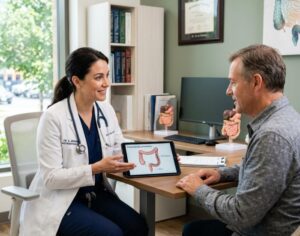
At Shaya Digestive & Liver Clinic, we understand that bloating can feel frustrating, embarrassing, and confusing. Dr. Naga Saranya Addepally provides thoughtful gastroenterology care for patients throughout Houston, Willowbrook, Tomball, Cypress, and The Woodlands, with special attention to digestive concerns that commonly affect women.
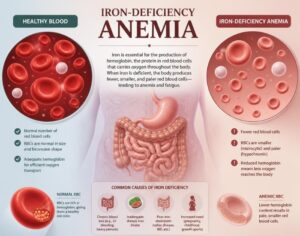
Persistent bloating is often related to treatable digestive conditions such as IBS, constipation, food intolerance, SIBO, celiac disease, or reflux. However, bloating with blood in the stool, unexplained weight loss, anemia, severe pain, vomiting, or major bowel changes should be evaluated promptly.
What Does Bloating Feel Like?
Bloating can feel different from person to person. Some women feel pressure in the abdomen, while others notice visible swelling or tight clothing around the waist. Bloating may occur after eating, before a period, during stress, after travel, or without an obvious trigger.
Common symptoms that may come with bloating include:
- Abdominal fullness
- Excess gas
- Burping
- Stomach pressure
- Cramping
- Constipation
- Diarrhea
- Nausea
- Feeling full quickly
- Visible abdominal swelling
15 Common Causes of Persistent Bloating in Women
1. Irritable Bowel Syndrome
IBS is one of the most common causes of bloating in women. It may cause abdominal pain, cramping, gas, constipation, diarrhea, or alternating bowel habits. Symptoms often come and go and may worsen with stress, certain foods, hormonal changes, or irregular eating patterns.
2. Chronic Constipation
Constipation can make the abdomen feel full, tight, and uncomfortable. When stool moves slowly through the colon, gas can build up and create bloating. Many women with constipation also feel incomplete emptying after a bowel movement.
3. Food Intolerance
Lactose intolerance, fructose intolerance, gluten sensitivity, and sensitivity to certain carbohydrates can cause bloating after meals. Common triggers may include dairy, wheat, onions, garlic, beans, apples, artificial sweeteners, and carbonated drinks.
4. Small Intestinal Bacterial Overgrowth
SIBO occurs when excess bacteria grow in the small intestine. It can cause bloating, gas, abdominal discomfort, diarrhea, constipation, or symptoms that worsen after eating carbohydrates.
5. Hormonal Changes
Many women notice bloating before or during their menstrual cycle. Hormonal shifts can affect fluid retention, intestinal movement, and digestive sensitivity.
6. Menopause and Perimenopause
Digestive changes during perimenopause and menopause are common. Some women experience more bloating, constipation, reflux, or abdominal discomfort during this stage of life.
7. Celiac Disease
Celiac disease is an immune reaction to gluten that can damage the small intestine. Symptoms may include bloating, diarrhea, constipation, fatigue, anemia, weight changes, and nutrient deficiencies.
8. Acid Reflux and Indigestion
GERD, acid reflux, and indigestion can sometimes create upper abdominal bloating, burping, nausea, burning, or fullness after meals.
9. Eating Too Quickly
Eating quickly, drinking through a straw, chewing gum, or consuming carbonated beverages can increase swallowed air and worsen bloating.
10. High-FODMAP Foods
Some foods ferment more easily in the gut and may trigger bloating in sensitive individuals. These may include onions, garlic, wheat, beans, lentils, certain fruits, and some dairy products.
11. Stress and Gut-Brain Sensitivity
The digestive system and brain are closely connected. Stress may worsen bloating, cramping, urgency, constipation, or diarrhea, especially in patients with IBS.
12. Inflammatory Bowel Disease
Crohn’s disease and ulcerative colitis can cause abdominal pain, diarrhea, bloating, rectal bleeding, fatigue, and weight loss. These symptoms should be evaluated by a gastroenterologist.
13. Gallbladder or Liver-Related Conditions
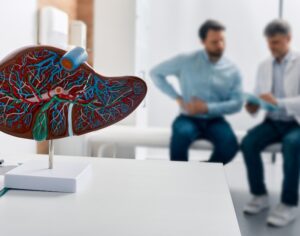
Pain or fullness in the upper abdomen, especially after fatty meals, may sometimes be related to gallbladder or liver conditions. Fatty liver disease may also be found during evaluation for abdominal symptoms.
14. Pelvic Floor Dysfunction
Some women have difficulty coordinating the pelvic floor muscles during bowel movements. This may lead to constipation, incomplete emptying, straining, and bloating.
15. Colon Polyps or Colon Cancer Warning Signs
Most bloating is not caused by colon cancer. However, persistent bloating with blood in the stool, unexplained anemia, weight loss, new constipation, diarrhea, or a major change in bowel habits should be evaluated. Colonoscopy may be recommended when symptoms or risk factors are present.
Bloating is not always “just gas.” When bloating becomes frequent, painful, or connected with bowel changes, it may be a sign that the digestive system needs a deeper evaluation.
When Should a Woman See a GI Doctor for Bloating?
You should consider scheduling a gastroenterology evaluation if bloating is:
- Happening most days
- Getting worse over time
- Associated with constipation or diarrhea
- Linked to abdominal pain
- Causing nausea or early fullness
- Interfering with daily life
- Not improving with diet changes
- Occurring with blood in the stool
- Associated with unexplained weight loss
- Occurring with anemia or fatigue
How a GI Specialist Evaluates Persistent Bloating
At Shaya Digestive & Liver Clinic, evaluation begins with a careful review of symptoms, diet, medications, bowel habits, medical history, and family history.
Depending on the symptoms, evaluation may include:
- Blood tests
- Stool testing
- Celiac disease testing
- H. pylori breath testing
- SIBO breath testing
- Colonoscopy when appropriate
- Upper endoscopy when appropriate
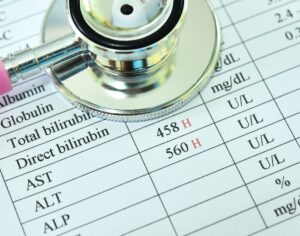
- FibroScan when liver concerns are present
- Anorectal manometry for difficult bowel movements
Can Colonoscopy Help Find the Cause of Bloating?
Colonoscopy is not required for every patient with bloating. However, it may be recommended when bloating occurs with concerning symptoms such as rectal bleeding, persistent bowel habit changes, unexplained anemia, family history of colon cancer, or age-appropriate colon cancer screening needs.
Colonoscopy allows direct evaluation of the colon and may help identify polyps, inflammation, bleeding sources, or other colon conditions.
Treatment Options for Persistent Bloating
Treatment depends on the cause. A personalized plan may include dietary changes, constipation treatment, IBS management, SIBO treatment, reflux care, pelvic floor evaluation, or further diagnostic testing.
Common treatment approaches may include:
- Identifying food triggers
- Improving bowel regularity
- Managing IBS symptoms
- Treating SIBO or H. pylori when present
- Adjusting fiber intake
- Improving hydration
- Reducing carbonated drinks
- Medication when appropriate
- Nutrition and lifestyle guidance
- Ongoing symptom monitoring
Why Choose Shaya Digestive & Liver Clinic?
Many women feel uncomfortable discussing bloating, gas, constipation, or bowel changes. At Shaya Digestive & Liver Clinic, patients receive compassionate, respectful care in a setting focused on listening, clarity, and individualized treatment.
Dr. Naga Saranya Addepally offers expert digestive and liver care for patients in Houston, Willowbrook, Tomball, Cypress, and The Woodlands. The clinic provides advanced GI evaluation, in-office testing, preventive care, colonoscopy screening, and ongoing support for complex digestive concerns.
Frequently Asked Questions
Why am I bloated every day?
Daily bloating may be related to IBS, constipation, food intolerance, SIBO, hormonal changes, reflux, celiac disease, or other digestive conditions.
Is bloating more common in women?
Many women experience bloating related to hormones, menstrual cycles, pregnancy, menopause, IBS, constipation, and digestive sensitivity.
Can IBS cause constant bloating?
Yes. IBS commonly causes bloating, abdominal discomfort, gas, constipation, diarrhea, or alternating bowel habits.
When is bloating serious?
Bloating should be evaluated if it is persistent, worsening, painful, or associated with blood in the stool, unexplained weight loss, anemia, vomiting, or major bowel habit changes.
Can constipation cause bloating?
Yes. Constipation is one of the most common causes of bloating because stool and gas can build up in the colon.
Do I need a colonoscopy for bloating?
Not always. Colonoscopy may be recommended based on age, symptoms, family history, bleeding, anemia, or persistent changes in bowel habits.
Schedule a Bloating Evaluation
If bloating, gas, constipation, abdominal pain, or bowel changes are affecting daily life, professional evaluation can help identify the cause and guide treatment.
Shaya Digestive & Liver Clinic provides expert gastroenterology care for women and men throughout Houston, Willowbrook, Tomball, Cypress, and The Woodlands.
Schedule your appointment today and take the first step toward clearer answers, better digestion, and lasting relief.
This article is for educational purposes only and does not replace medical advice, diagnosis, or treatment. If symptoms are severe, sudden, or associated with bleeding, chest pain, fainting, or significant weakness, seek immediate medical care.